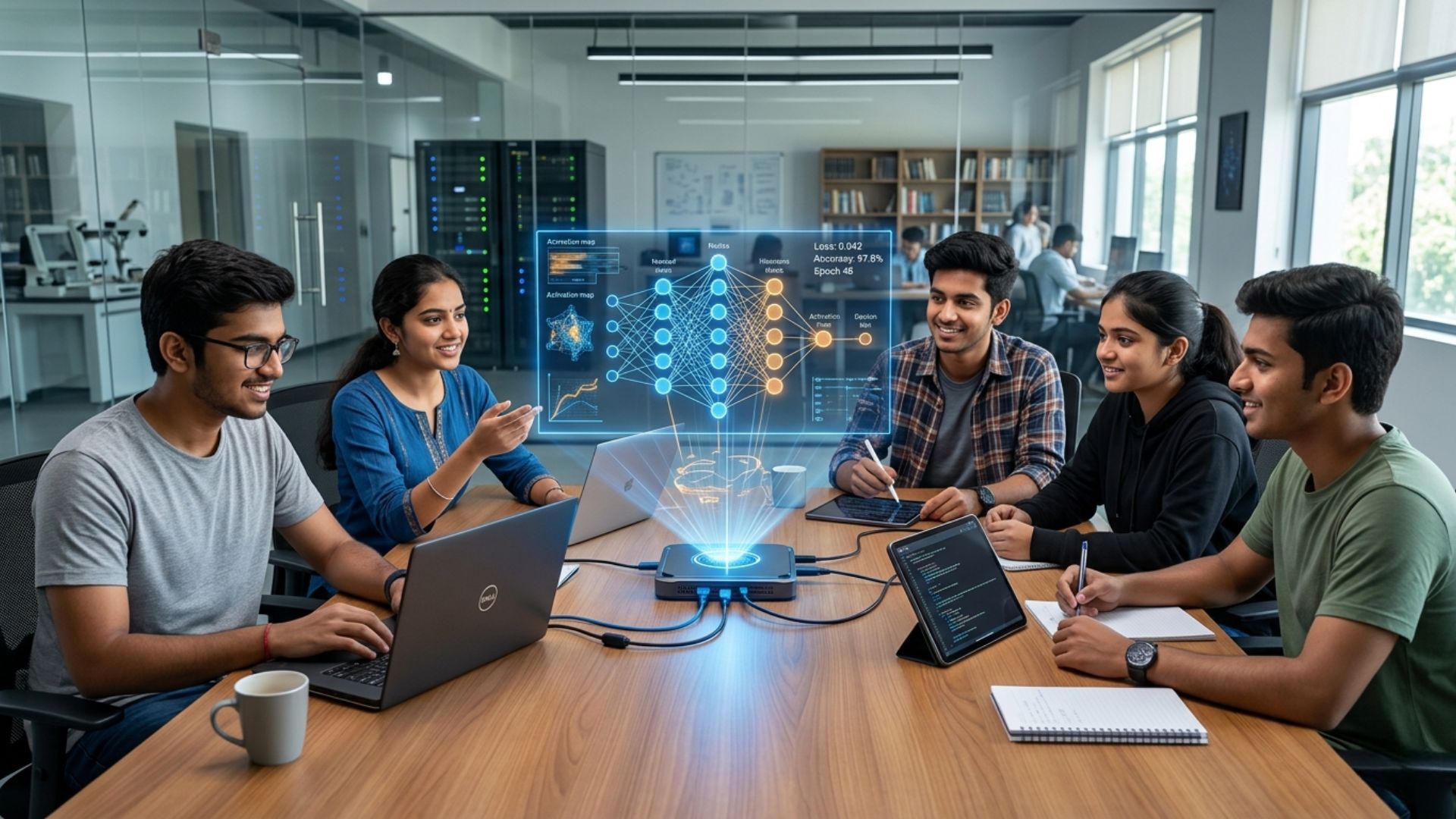
For years, computer science was seen as one of the safest career choices. It still has strong long-term value, but the path into these careers no longer looks as simple as it once did. Students are hearing more about AI, automation, and changing hiring patterns, so naturally, many of them are wondering what the future of computer science careers will actually look like.
The good news is that computer science is not becoming irrelevant. What is evolving is the type of work that is unique, what type of preparation counts, and what type of student profile is more appreciated by employers.
What is changing in computer science careers
The biggest change is that routine work is becoming easier to automate or speed up.
But that does not mean computer science jobs are disappearing or getting eliminated totally. It means companies are looking more closely at what a person can do beyond basic output. In many roles, the value is shifting from simply writing code to understanding systems, making good technical decisions, debugging properly, and building software that works well in real environments.
Some of the things that are more visibly changing include:
AI tools are speeding up basic coding, drafting, and repetitive tasks
Hiring is becoming more practical and proof-based
Companies are giving more weightage to projects, internships, and real execution
Surface-level familiarity with tools is becoming less impressive
The students should learn more quickly and easily adapt than before
This is why the future of computer science careers feels different now. The field is still growing, but the expectation is no longer just “learn a language and get placed.” The bar is moving towards depth, flexibility, and practical ability.
The Core Skills That Still Matter in Computer Science
Even with all this change, the foundation of computer science has not become less important.
In fact, some of the oldest parts of the discipline are still the most valuable. Programming languages may keep changing. Tools may keep improving. AI may take over parts of the workflow. But strong computer science thinking still matters.
What still continues to matter:
Programming fundamentals
Problem-solving ability
Data structures and algorithms
Debugging and code-reading skills
Systems understanding
Databases, backend logic, and APIs
Communication and teamwork
The habit of building and learning consistently
This is the part many students misunderstand. They assume that only those people who pursue the latest tools have a future. However, in computer science, the tools tend to favour individuals who have prior knowledge of the work. Someone with shallow skills may move fast for a while. Someone with real depth usually lasts longer.
Which Computer Science Career Paths May Stay Strong in the Future
Computer science is not one narrow career lane. It still opens into many paths into different domains, and that is one reason it continues to stay relevant.
Some of the roles and directions likely to stay strong are:
Software development and full-stack engineering
Backend and systems roles
AI and machine learning-related work
Cloud and DevOps roles
Cybersecurity
Data engineering and analytics-heavy work
Product engineering and platform development
What connects many of these paths is that they need more than just basic coding. They need people who can think through real problems, work with changing tools, and build dependable systems.
For students who are still questioning whether CSE is the right path in the age of AI, Should I Pursue CSE With AI Coming Up can be a useful guide to read.
How Students Can Prepare for the Future of Computer Science Careers
A good response to change is not panic. It is better preparation.
Students do not need to know everything at once. But they do need to become more intentional about what they are building. The strongest computer science careers are usually built by students who treat learning as something practical, not just academic.
Where the key focus areas should be:
Learn one language properly instead of jumping between too many
Build small but real projects
Get comfortable with debugging and improving code
Understand how software works beyond the IDE
Practise problem-solving regularly
Use AI tools as support, not as a replacement for thinking
Look for internships, real-world tasks, and collaborative work
It also helps to learn in an environment that is already aligned with where the field is going. For students who want a more future-facing undergraduate path, Scaler School of Technology’s CS & AI programme is positioned around computer science fundamentals, project-led learning, and AI embedded from the start, which fits well with how computer science careers are evolving now.
And if students want a broader view beyond computer science alone, the guide tech jobs future in india can help them understand how career choices today fit into the wider shift happening across technology roles.
Conclusion
The future of computer science careers is not actually about the survival of the field. It will. What is changing is the type of preparation that is important now. Students who build strong fundamentals, practical ability, and the habit of adapting are still likely to find strong and great opportunities. The tools may change, and the roles may evolve, but strong computer science fundamentals and thinking still matters.
FAQs
1. Does the future of computer science careers still look strong?
Yes. Students with the ability to develop strong skills, remain flexible, and continuously learn in the field still have a promising future of computer science careers.
2. What skills matter most in future computer science careers?
Strong fundamentals, problem-solving, debugging, systems understanding, and practical project work still matter the most.
3. Will AI reduce the value of computer science careers?
AI can transform the ways people work, yet it does not eliminate the importance of good computer science thought. It primarily increases the significance of the more profound skills and execution.