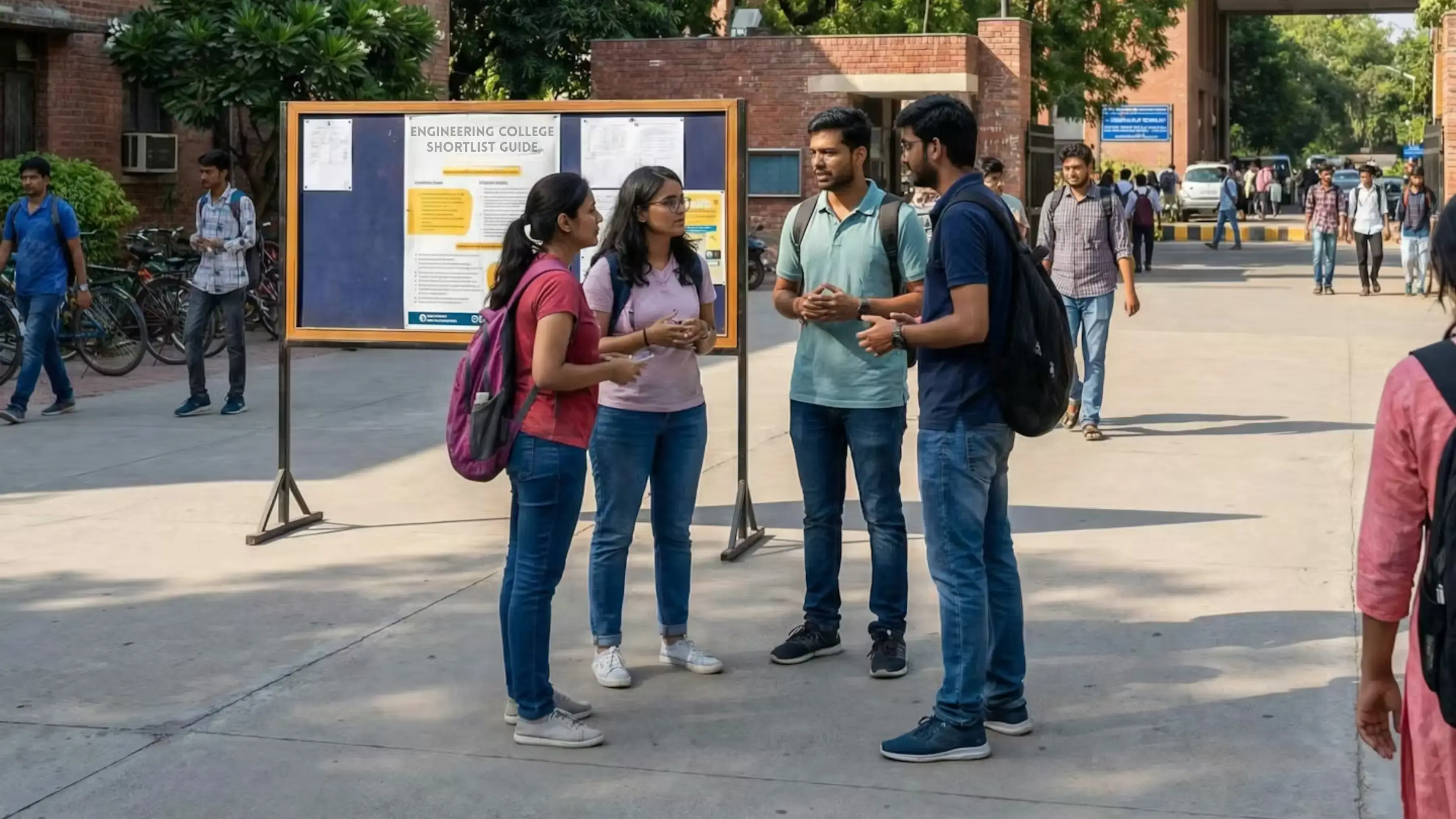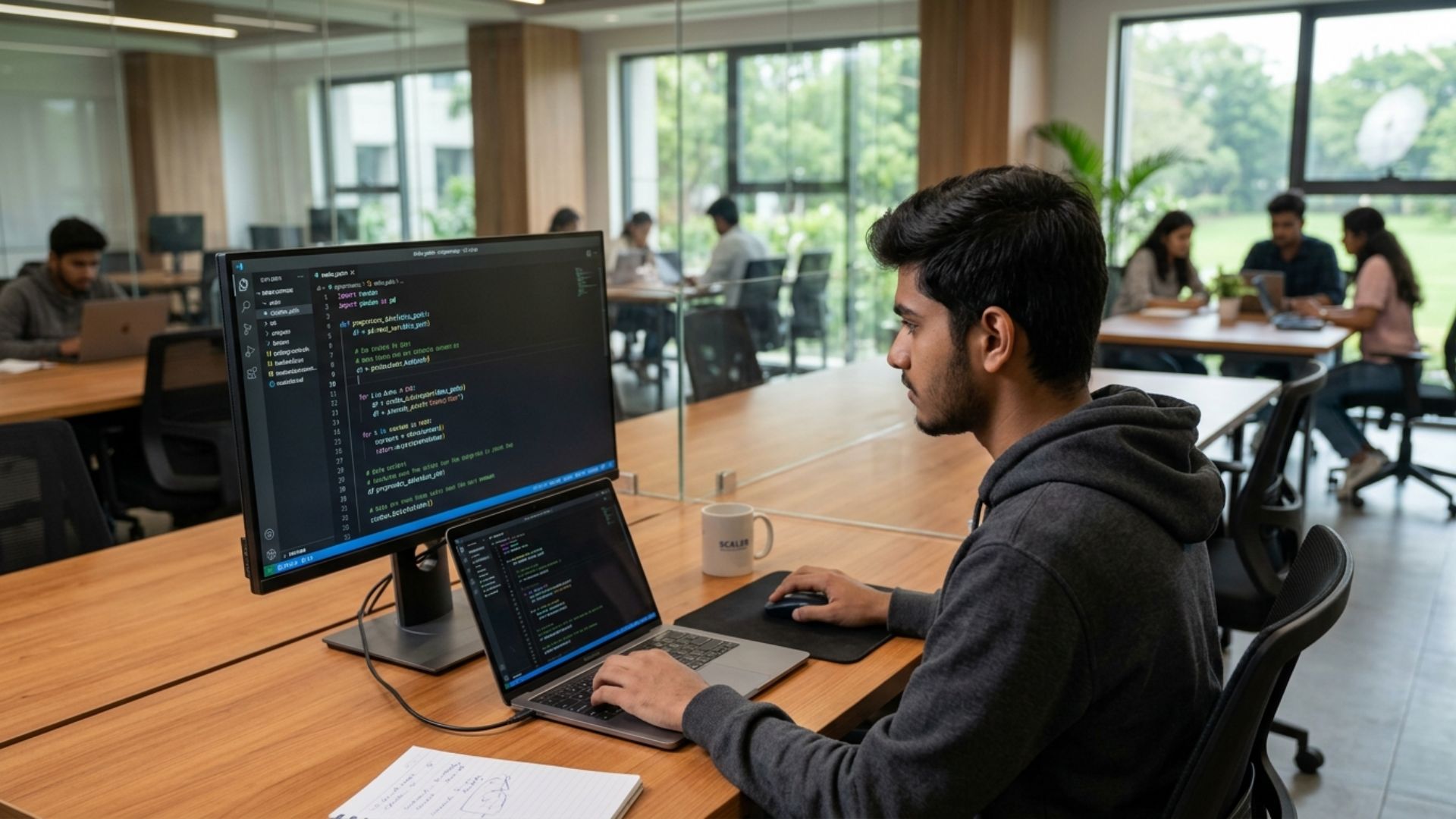
For years, software was seen as one of the safest career paths in India. Now, that confidence is starting to look more uncertain. Students are watching AI write code, hearing mixed signals about hiring, and wondering what the future of software jobs in India will really look like. The truth is that software careers are still very much alive, but companies are no longer looking for the same kind of candidate they did before. The jobs are there, but the skills required and expectations are changing.
Is Software Engineering Still a Good Career Path in India?
Yes, but getting into the field is not as straightforward as many students once assumed. Software jobs in India are still a strong career option because businesses across industries continue to depend on technology, digital products, data systems, and software-led operations. The demand has not disappeared. What has changed is that companies are becoming more selective about who they hire and what they expect from entry-level talent.
The future of software jobs in India cannot be perceived as weak because of this. It is to be regarded as more skill-based or skill-focused. Employers are looking at whether a student can actually solve problems, work with real-world tools, and contribute in practical environments. Students who develop strong fundamentals, understand how software works beyond just writing code, and continue to adapt to evolving technologies still have a good chance of finding good opportunities. The challenge is not that software jobs are going away. It is that shallow preparation and superficial skills are becoming easier to spot.
How software jobs are changing
Software engineering work is no longer about who was the most prolific at typing code but it is about who can produce better solutions to the current and burning problems. For years, many students saw software careers as a simple path: learn a programming language, practise coding rounds, and get placed. But the nature of the work is shifting. AI can now help with first drafts, repetitive tasks, and basic coding support, which means companies are starting to value deeper engineering ability more clearly. Students who are worried about where this shift is going can also read more about whether AI will replace software engineers.
What stands out now is whether a person can:
Think through real technical problems
Understand systems, not just syntax
Not just write, but debug, test and enhance code
Check AI-assisted output with care
Handle performance, scalability, and quality issues
Build software that works well for actual users and business needs
In that kind of environment, software engineers are still very relevant. The difference is that the role is becoming more skill-deep and less routine. The future will likely reward people who can combine coding with judgment, structure, and execution.
What Skills Will Matter Most in the Future
One of the biggest mistakes students make is focusing only on the latest tools that are being talked about. Tools are useful, but they keep changing. The stronger approach is to build skills that stay valuable even as technologies, platforms, and workflows evolve. That is what will matter more in the future of software jobs in India.
Some of the skills that are likely to matter most are:
Strong programming fundamentals
Data structures and problem-solving
Debugging and code-reading ability
Backend and systems understanding
Databases and API thinking
Cloud and deployment awareness
The ability to use AI tools with judgment
Security awareness
Communication and teamwork
The habit of building real projects
This mix matters because candidates applying for future software roles will not be judged only by how well they can write code in isolation. Companies will increasingly value people who can understand requirements, work with modern tools, test what they build, and contribute to software that works in real production environments. In other words, the future will favour people who combine technical depth with practical execution.
Not all software jobs will expand similarly, but there are those that have a higher chance of remaining robust due to their close association with real product development, technical richness, and business requirements. Software systems are getting more difficult to develop, and companies will always need professionals who can construct them, operate them, protect them and enhance them in the real world
Some of the roles that are likely to stay relevant are:
Backend and Full-stack Development, because businesses still need applications, APIs, platforms, dashboards, and customer-facing products
Cloud, Devops, and Infrastructure roles, because software has to be deployed, monitored, secured, and scaled after it is built
Cybersecurity-related engineering roles, because digital systems are growing and so are the risks around them
AI-assisted software engineering roles, because companies will use AI in development, but still need engineers with strong technical judgment
Product engineering roles, because businesses increasingly value people who can connect technical work with user needs, product quality, and speed of execution
The larger point is that the future will not reward software engineers only for writing code. It will reward those who can create reliable systems, work across tools and teams, and contribute to products that solve real problems.
How Students Can Prepare From Now
A good preparation plan does not have to be complicated. Consistency and clarity is more important. A lot of students commit the error of attempting to learn a lot at a single time and a better way is to first establish a good foundation and then go on to add practical layers with time.
A useful starting point is to focus on a few things that genuinely matter:
Learn one programming language properly instead of jumping between too many
Get comfortable with problem-solving and core coding fundamentals
Understand how APIs, databases, backend logic, and deployment fit together
Build small projects before trying to build impressive-looking ones
Create proof of skill through projects, internships, github work, or practical assignments
Use AI tools as support, but not as a replacement for thinking
Learn how to read documentation, debug errors, and improve your own work
Students who want a clearer sense of what actually helps in entry-level hiring can also read more about software engineering jobs after college.
It also helps to learn in an environment that goes beyond classroom completion. For students who already know they want a serious software or AI-led career path, programmes that combine computer science fundamentals, hands-on projects, and real industry experience can help make that transition much stronger. Scaler School of Technology’s CS & AI programme is one example of this kind of approach. It is designed as an industry-integrated undergraduate programme, with AI embedded into the curriculum from day one and a learn-by-building model that helps students develop both core computer science depth and practical readiness for modern software roles.
Conclusion
The future of software jobs in India still looks strong, but the skill set required and expectations are changing. Students who build solid fundamentals, practical skills, and the ability to adapt are more likely to stay valuable as the industry evolves.
FAQs
1. Will AI reduce software job opportunities in India?
The use of AI can decrease the number of routine tasks, but software professionals probably will not be displaced altogether. It will probably alter the type of skills which companies will demand.
2. What makes one student more future-ready for software jobs than another?
Usually, it comes down to depth. Students with strong fundamentals, real projects, and practical problem-solving ability are likely to stand out more.
3. Is learning AI tools enough to stay relevant in future software careers?
No. AI tools can help, but they cannot replace core skills like programming, debugging, systems understanding, and project experience.