


Top Career Opportunities in Artificial Intelligence (2024)
The outlook for artificial intelligence jobs is promising, particularly for machine learning engineers and data scientists, consistently ranking on Indeed’s Best Jobs list. The US Bureau of Labor Statistics anticipates a 23% growth in opportunities for computer and information research between 2022 and 2032. With the increasing prevalence of AI, including technologies like ChatGPT, understanding available roles in the field becomes crucial. This article offers insights into artificial intelligence careers, outlining necessary skills and education for prospective individuals interested in this rapidly expanding domain.
Top Career Opportunities in Artificial Intelligence
AI has opened up a wide range of exciting career opportunities within the field of artificial intelligence career. Let's explore some of the top AI career opportunities in 2024 within the artificial intelligence career:
Big Data Engineer
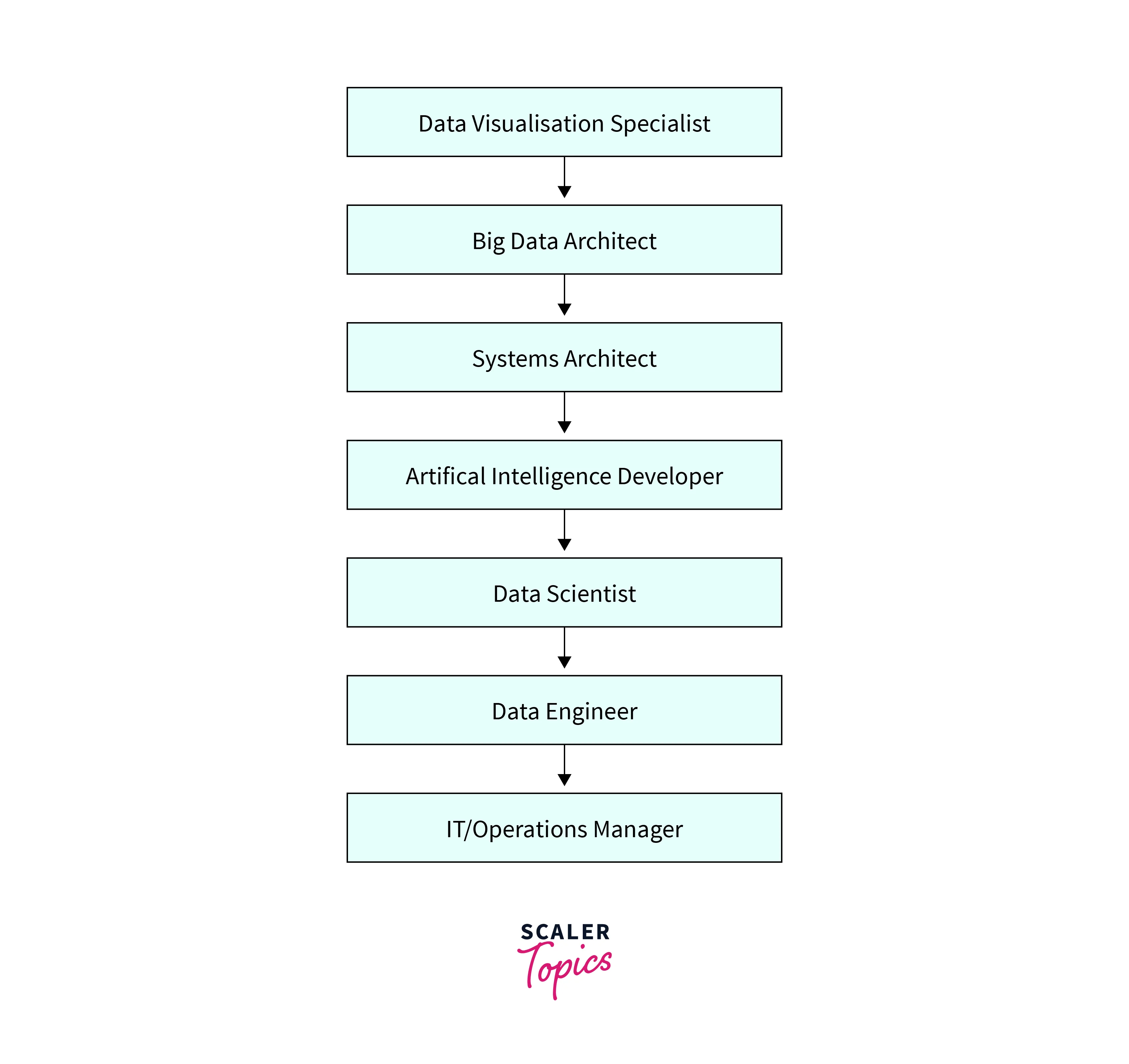
In the dynamic field of artificial intelligence career, Big Data Engineers play a crucial role in handling and processing large volumes of data to fuel AI-driven solutions. As organizations increasingly rely on data to gain insights and make informed decisions, the demand for skilled Big Data Engineers within the artificial intelligence career has significantly grown.
Role and Responsibilities:
As a Big Data Engineer in an artificial intelligence career, your primary responsibility is to design, develop, and maintain the infrastructure and systems necessary to process, store, and analyze massive amounts of data.
Some of the key responsibilities of a Big Data Engineer within the artificial intelligence career include:
- Data Architecture Design: Big Data Engineers design and develop robust data architectures that can handle the velocity, volume, and variety of data generated within an organization. They utilize technologies like Hadoop, Spark, and NoSQL databases to create scalable and distributed systems within the artificial intelligence career.
- Data Pipeline Development: They build data pipelines and workflows to automate data processing tasks within the artificial intelligence career. They integrate various data sources, apply data transformations, and orchestrate the flow of data through different stages of processing, ensuring seamless and timely delivery of data to downstream systems.
- Collaboration and Documentation: Big Data Engineers within the artificial intelligence career collaborate with cross-functional teams, including data scientists, analysts, and software developers.
Skills and Qualifications:
To excel as a Big Data Engineer in the artificial intelligence career, you should possess a combination of technical skills and domain knowledge.
Some essential skills and qualifications include:
- Programming Skills: Proficiency in programming languages like Java, Python, or Scala is crucial for implementing data processing algorithms, optimizing workflows, and developing custom data pipelines within the artificial intelligence career.
- Big Data Technologies: Solid understanding and experience with big data technologies such as Hadoop, Spark, Hive, Pig, and HBase are essential within the artificial intelligence career.
- Data Modeling and Design: Ability to design scalable and efficient data models, schema, and database structures is crucial within the artificial intelligence career.
Business Intelligence Developer
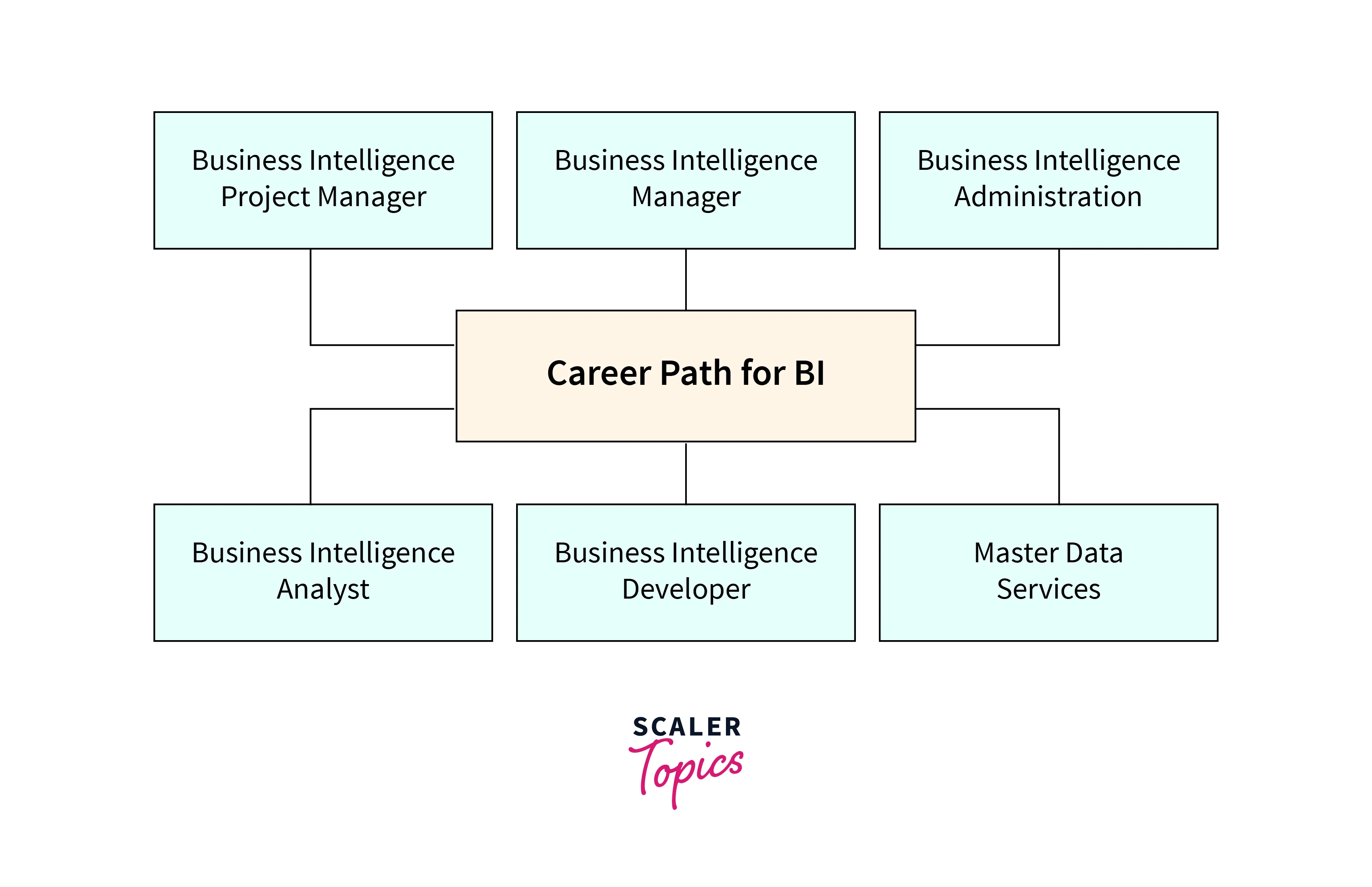
Business Intelligence (BI) Developers within the artificial intelligence career play a vital role in transforming data into actionable insights. They leverage data analysis and visualization tools to provide valuable information to businesses, enabling them to make informed decisions and drive growth within the artificial intelligence career.
Role and Responsibilities:
As a Business Intelligence Developer in an artificial intelligence career, your responsibilities revolve around collecting, analyzing, and presenting data in a meaningful way.
Here are some key responsibilities:
- Data Analysis: Conduct data analysis to identify trends, patterns, and insights within the artificial intelligence career. Apply statistical techniques and use BI tools to derive valuable information from complex datasets.
- Data Visualization: Develop visually appealing and interactive dashboards, reports, and visualizations within the artificial intelligence career. Use tools like Tableau, Power BI, or QlikView to present data in a user-friendly manner for easy interpretation.
- Business Requirements Gathering: Collaborate with stakeholders to understand their information needs and define business requirements within the artificial intelligence career.
- Training and Support: Provide training and support to users on BI tools and platforms within the artificial intelligence career. Assist in troubleshooting issues and optimizing the use of BI solutions.
Skills and Qualifications:
To excel as a Business Intelligence Developer in the artificial intelligence career, you should have a combination of technical skills and business acumen.
Here are some essential skills and qualifications:
- BI Tools: Experience with popular BI tools like Tableau, Power BI, or QlikView within the artificial intelligence career. Familiarity with data visualization principles and best practices.
- Database Skills: Proficiency in SQL for querying and manipulating data within the artificial intelligence career. Knowledge of relational databases and data warehousing concepts.
- Business Understanding: Understanding of business processes and key performance indicators within the artificial intelligence career. Ability to translate business requirements into actionable data insights.
- Communication Skills: Effective communication skills to interact with stakeholders and present complex data findings clearly and concisely within the artificial intelligence career.
Data Scientist
Data Scientists play a pivotal role in the artificial intelligence career, utilizing their expertise in statistics, machine learning, and programming to extract valuable insights from complex datasets.
Role and Responsibilities:
As a Data Scientist in an artificial intelligence career, your responsibilities involve working with large and diverse datasets to uncover patterns, trends, and actionable insights.
Here are some key responsibilities:
- Data Exploration and Preparation: Explore and clean raw data, ensuring its quality, completeness, and relevance within the artificial intelligence career. Conduct data preprocessing tasks such as data cleaning, transformation, and feature engineering.
- Machine Learning Modeling: Apply machine learning algorithms and statistical techniques to build predictive models and uncover patterns within the artificial intelligence career. Develop algorithms for classification, regression, clustering, or recommendation systems.
- Feature Selection and Dimensionality Reduction: Identify relevant features and reduce the dimensionality of datasets to improve model performance and interpretability within the artificial intelligence career.
- Model Evaluation and Validation: Assess the performance and accuracy of machine learning models using appropriate evaluation metrics and cross-validation techniques within the artificial intelligence career.
Skills and Qualifications:
To excel as a Data Scientist in the artificial intelligence career, you should possess a combination of technical skills, analytical thinking, and domain knowledge.
Here are some essential skills and qualifications:
- Statistical Analysis: Proficiency in statistical analysis techniques such as hypothesis testing, regression analysis, and time series analysis within the artificial intelligence career.
- Machine Learning: Solid understanding of various machine learning algorithms, such as linear regression, decision trees, random forests, support vector machines, and neural networks within the artificial intelligence career.
- Programming Languages: Strong programming skills in languages such as Python or R within the artificial intelligence career. Ability to manipulate and analyze large datasets using libraries and frameworks (e.g., NumPy, Pandas, scikit-learn, TensorFlow).
- Problem-Solving: Strong analytical and problem-solving skills to formulate data-related problems, design experiments, and derive insights within the artificial intelligence career.
Machine Learning Engineer
Machine Learning Engineers are at the forefront of the artificial intelligence career, focusing on developing and deploying machine learning models and systems. They possess a strong foundation in computer science, mathematics, and statistics, enabling them to design and implement robust and scalable machine learning solutions.
Role and Responsibilities:
- Data Preparation and Preprocessing: Prepare and preprocess data by cleaning, transforming, and normalizing datasets within the artificial intelligence career. Handle data quality issues, missing values, and outliers to ensure high-quality input for machine learning models.
- Model Development and Training: Design and develop machine learning models, selecting the appropriate algorithms and techniques within the artificial intelligence career. Train models using labelled datasets and optimize them for accuracy and performance.
- Feature Engineering: Identify and engineer relevant features from raw data, improving the performance interpretability of machine learning models within the artificial intelligence career.
- Model Evaluation and Validation: Evaluate the performance of machine learning models using appropriate metrics and validation techniques within the artificial intelligence career.
- Model Deployment: Deploy machine learning models into production environments within the artificial intelligence career. Integrate models into software systems, ensuring scalability, efficiency, and real-time processing as needed.
Skills and Qualifications:
To excel as a Machine Learning Engineer in the artificial intelligence career, you should possess a combination of technical skills, problem-solving abilities, and domain knowledge.
Here are some essential skills and qualifications:
- Machine Learning Algorithms: Strong understanding of various machine learning algorithms, including regression, classification, clustering, and deep learning within the artificial intelligence career.
- Data Manipulation: Experience with data manipulation and analysis using tools like Pandas, NumPy, or SQL within the artificial intelligence career. Ability to extract insights from large datasets and perform data transformations.
- Mathematics and Statistics: Solid foundation in mathematics and statistics, including linear algebra, probability, and statistical analysis within the artificial intelligence career. Understanding of optimization techniques and mathematical modelling.
Research Scientist
Research Scientists play a pivotal role in the artificial intelligence career by pushing the boundaries of knowledge and developing innovative solutions. They conduct in-depth research, design experiments, and explore cutting-edge technologies to solve complex problems and drive advancements in the field of artificial intelligence.
Role and Responsibilities:
As a Research Scientist in an artificial intelligence career, your responsibilities revolve around conducting research and developing novel algorithms and techniques. Here are some key responsibilities:
- Research and Development: Conduct extensive research and literature reviews within the artificial intelligence career to identify gaps, challenges, and opportunities. Stay updated with the latest advancements and breakthroughs in artificial intelligence.
- Algorithm Design: Design and develop innovative algorithms and models to solve complex problems within the artificial intelligence career. Explore new approaches in areas such as machine learning, deep learning, natural language processing, or computer vision.
- Experimental Design: Design and conduct experiments to evaluate the performance and effectiveness of new algorithms and techniques within the artificial intelligence career. Develop benchmarks and datasets for testing and comparison.
Skills and Qualifications:
To excel as a Research Scientist in the artificial intelligence career, you should possess strong research capabilities, technical expertise, and a passion for innovation.
Here are some essential skills and qualifications:
- Programming and Software Development: Strong programming skills in languages such as Python, R, or MATLAB within the artificial intelligence career. Ability to implement algorithms, develop prototypes, and work with relevant libraries and frameworks.
- Critical Thinking and Problem-Solving: Strong analytical and critical thinking abilities to formulate research problems, devise creative solutions, and overcome challenges within the artificial intelligence career.
- Publication and Presentation: Excellent oral and written communication skills to effectively communicate research findings within the artificial intelligence career. Experience in publishing research papers and presenting at conferences.
AI Data Analyst
AI Data Analysts play a crucial role in the artificial intelligence career by leveraging their expertise in data analysis and machine learning to extract valuable insights from vast amounts of data.
Role and Responsibilities:
As an AI Data Analyst in an artificial intelligence career, your responsibilities involve working with diverse datasets and applying analytical techniques to derive meaningful insights.
Here are some key responsibilities:
- Data Exploration and Analysis: Explore and analyze complex datasets using statistical methods and machine learning techniques within the artificial intelligence career. Identify patterns, trends, and correlations in the data to uncover actionable insights.
- Data Cleaning and Preprocessing: Cleanse and preprocess data by handling missing values, outliers, and inconsistencies within the artificial intelligence career. Prepare data for further analysis and ensure data quality.
- Statistical Modeling: Apply statistical models and techniques to analyze data and make predictions within the artificial intelligence career. Utilize regression analysis, hypothesis testing, and other statistical methods to derive meaningful conclusions.
- Machine Learning Applications: Apply machine learning algorithms and techniques to solve specific problems within the artificial intelligence career. Develop models for classification, regression, clustering, or recommendation systems.
Skills and Qualifications:
To excel as an AI Data Analyst in the artificial intelligence career, you should possess a combination of technical skills, analytical thinking, and domain knowledge.
Here are some essential skills and qualifications:
- Data Analysis: Proficiency in data analysis techniques, including statistical analysis, exploratory data analysis, and data visualization within the artificial intelligence career.
- Machine Learning: Understanding of machine learning algorithms and techniques within the artificial intelligence career. Familiarity with algorithms such as linear regression, decision trees, logistic regression, and clustering.
- Programming Skills: Strong programming skills in languages such as Python or R within the artificial intelligence career. Ability to manipulate and analyze data using libraries and frameworks (e.g., Pandas, NumPy, scikit-learn).
Product Manager
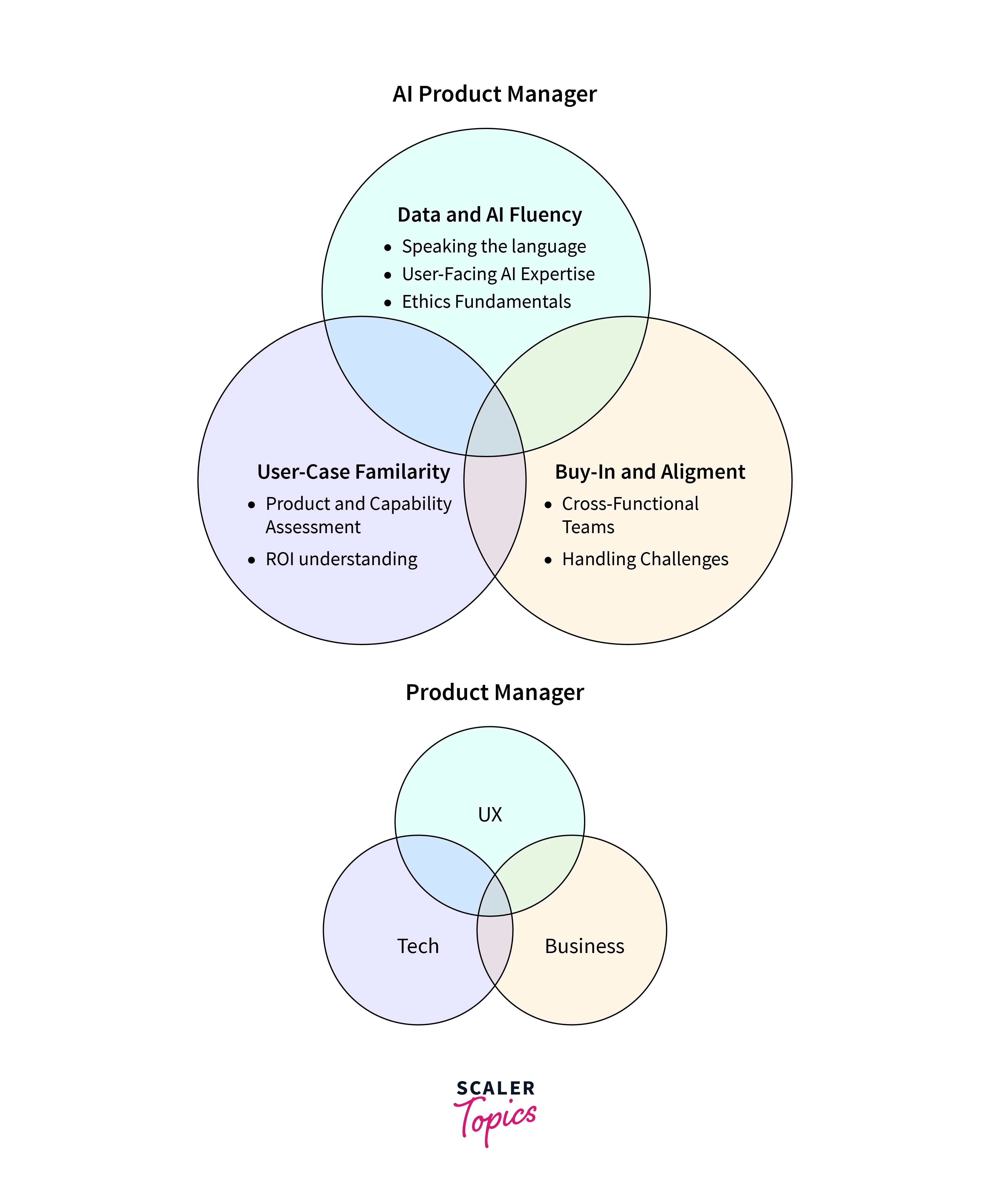
Product Managers within the artificial intelligence career play a crucial role in the development and management of AI-powered products and solutions. They bridge the gap between business strategy, user needs, and technology, ensuring successful product development and deployment.
Role and Responsibilities:
As a Product Manager in the artificial intelligence career, your responsibilities involve overseeing the entire product lifecycle and driving product strategy.
Here are some key responsibilities:
- Product Strategy: Define the product vision, goals, and roadmap within the artificial intelligence career. Identify market trends, user needs, and business objectives to develop a strategic plan for AI-powered products.
- Market Research: Conduct market research and analysis within the artificial intelligence career to understand customer needs, competitive landscape, and industry trends. Gather insights to inform product decision-making.
- Requirement Gathering: Collaborate with stakeholders, including business teams, data scientists, and engineers within the artificial intelligence career. Gather and prioritize product requirements based on customer feedback, market analysis, and technological feasibility.
- Product Planning: Develop detailed product plans, including feature prioritization, timelines, and resource allocation within the artificial intelligence career. Define clear product specifications and user stories.
Skills and Qualifications:
To excel as a Product Manager in the artificial intelligence career, you should possess a combination of business acumen, technical understanding, and leadership skills.
Here are some essential skills and qualifications:
- Product Management: Strong knowledge of product management principles, methodologies, and best practices within the artificial intelligence career. Familiarity with Agile or Scrum frameworks.
- Artificial Intelligence: Understanding of artificial intelligence concepts, technologies, and applications within the artificial intelligence career. Ability to assess and leverage AI capabilities to drive product innovation.
- Business Strategy: Proficiency in strategic thinking, market analysis, and business planning within the artificial intelligence career. Ability to align product strategy with business objectives and customer needs.
- Technical Knowledge: Basic technical understanding of AI technologies, data science principles, and software development processes within the artificial intelligence career. Ability to effectively communicate with technical teams.
- User-Centric Approach: Strong focus on user experience and empathy for customer needs within the artificial intelligence career. Ability to translate user requirements into product features and design decisions.
AI Engineer
AI Engineers play a crucial role in the development and implementation of artificial intelligence solutions and technologies. They possess a strong background in software engineering and machine learning to design, build, and deploy intelligent systems that can analyze data, make predictions, and automate tasks.
Role and Responsibilities:
As an AI Engineer in an artificial intelligence career, your responsibilities revolve around developing AI models, integrating them into applications, and optimizing their performance.
Here are some key responsibilities:
- AI Model Development: Design and develop machine learning and deep learning models within the artificial intelligence career. Select appropriate algorithms, preprocess data, and train models using frameworks such as TensorFlow or PyTorch.
- Model Training and Evaluation: Train and fine-tune AI models using large datasets within the artificial intelligence career. Evaluate model performance, perform hyperparameter tuning, and optimize models for accuracy, speed, or resource efficiency.
- Performance Optimization: Optimize AI models and algorithms for scalability, efficiency, and resource utilization within the artificial intelligence career. Improve inference speed, reduce memory footprint, and enhance overall system performance.
- AI Ethics and Bias Mitigation: Ensure ethical considerations and fairness in AI systems within the artificial intelligence career. Identify and mitigate biases, address privacy concerns, and adhere to ethical guidelines in data handling and model deployment.
Skills and Qualifications:
To excel as an AI Engineer in the artificial intelligence career, you should possess a strong technical background, programming skills, and knowledge of machine learning concepts.
Here are some essential skills and qualifications:
- Machine Learning: Solid understanding of machine learning concepts, algorithms, and techniques within the artificial intelligence career. Knowledge of supervised and unsupervised learning, deep learning, reinforcement learning, and neural networks.
- Programming and Software Development: Proficiency in programming languages such as Python, Java, or C++ within the artificial intelligence career. Experience with libraries and frameworks like TensorFlow, PyTorch, or scikit-learn.
- Deep Learning Frameworks: Experience in working with deep learning frameworks like TensorFlow or PyTorch within the artificial intelligence career. Knowledge of model architectures, optimization techniques, and transfer learning.
Robotics Scientist
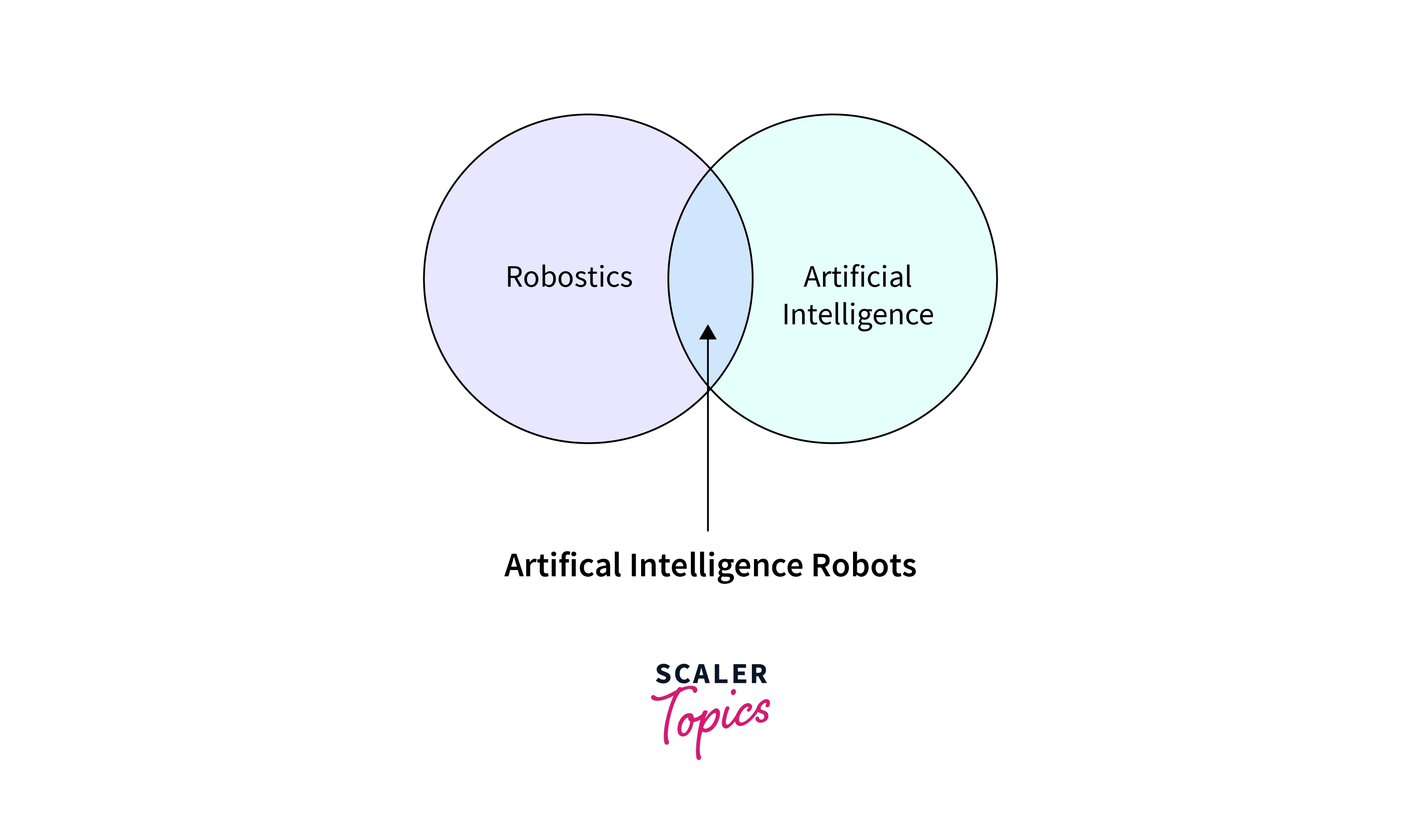
Robotics Scientists in the artificial intelligence career combine expertise in robotics, artificial intelligence, and engineering to design and develop intelligent robotic systems.
Role and Responsibilities:
As a Robotics Scientist in an artificial intelligence career, your responsibilities involve research, development, and implementation of robotic systems.
Here are some key responsibilities:
- Robot Design and Development: Design and develop robotic systems that leverage AI technologies within the artificial intelligence career. Integrate sensors, actuators, and control systems to enable robots to perform tasks autonomously or in collaboration with humans.
- Machine Learning for Robotics: Apply machine learning techniques to enhance robot performance within the artificial intelligence career. Train robots to learn from data, adapt to new situations, and improve their capabilities over time.
- Human-Robot Interaction: Enhance human-robot interaction within the artificial intelligence career. Develop algorithms and interfaces that allow robots to understand and respond to human gestures, speech, or other forms of communication.
Skills and Qualifications:
To excel as a Robotics Scientist in the artificial intelligence career, you should possess a combination of technical skills, creativity, and problem-solving abilities.
Here are some essential skills and qualifications:
- Robotics and AI: Strong knowledge of robotics principles, AI algorithms, and their integration within the artificial intelligence career. Understanding of perception, planning, control, and learning in robotics.
- Programming and Software Development: Proficiency in programming languages such as Python, C++, or MATLAB within the artificial intelligence career. Experience with robotics frameworks (e.g., ROS) and software development tools.
- Machine Learning: Familiarity with machine learning techniques and algorithms within the artificial intelligence career.
NLP Engineer
NLP Engineers in the artificial intelligence career specialize in developing and implementing Natural Language Processing (NLP) solutions. They leverage their expertise in machine learning, linguistics, and software engineering to build systems that understand and process human language, enabling various applications such as chatbots, language translation, and sentiment analysis.
Role and Responsibilities:
- NLP Model Development: Design and develop NLP models and algorithms within the artificial intelligence career. Develop techniques for tasks such as text classification, named entity recognition, sentiment analysis, and language generation.
- Language Understanding: Apply machine learning techniques to enable systems to understand and interpret human language within the artificial intelligence career. Develop models that capture semantic meaning, context, and relationships in text data.
- Text Representation: Explore methods for representing text data within the artificial intelligence career. Utilize techniques such as word embeddings (e.g., Word2Vec, GloVe), transformers (e.g., BERT, GPT), or topic modelling (e.g., LDA) to capture textual information.
Skills and Qualifications:
- Programming and Software Development: Experience with NLP libraries and frameworks like NLTK, spaCy, or Hugging Face Transformers.
- Natural Language Processing: Strong understanding of NLP concepts, techniques, and algorithms within the artificial intelligence career. Familiarity with text classification, entity recognition, sentiment analysis, and language generation.
Researcher
Researchers play a vital role in the artificial intelligence career by driving innovation and advancing the boundaries of knowledge. As researchers in the field of artificial intelligence, they explore new ideas, conduct experiments, and develop novel algorithms and models to solve complex problems.
Role and Responsibilities:
- Research Design and Execution: Design and conduct experiments and studies within the artificial intelligence career. Develop research questions, and design methodologies, and gather data to explore new ideas and approaches.
- Algorithm and Model Development: Create innovative algorithms and models within the artificial intelligence career. Develop novel techniques for tasks such as machine learning, deep learning, computer vision, or natural language processing.
Skills and Qualifications:
- Research Methodology: Familiarity with research methodologies, experimental design, and statistical analysis within the artificial intelligence career. Proficiency in scientific writing and communication.
- Critical Thinking: Strong analytical and critical thinking skills to identify research gaps, formulate hypotheses, and devise experiments within the artificial intelligence career. Ability to think creatively and approach problems from different angles.
- Domain Knowledge: Deep knowledge of specific domains within the artificial intelligence career, such as computer vision, natural language processing, robotics, or reinforcement learning. Stay updated with the latest research in specialized areas.
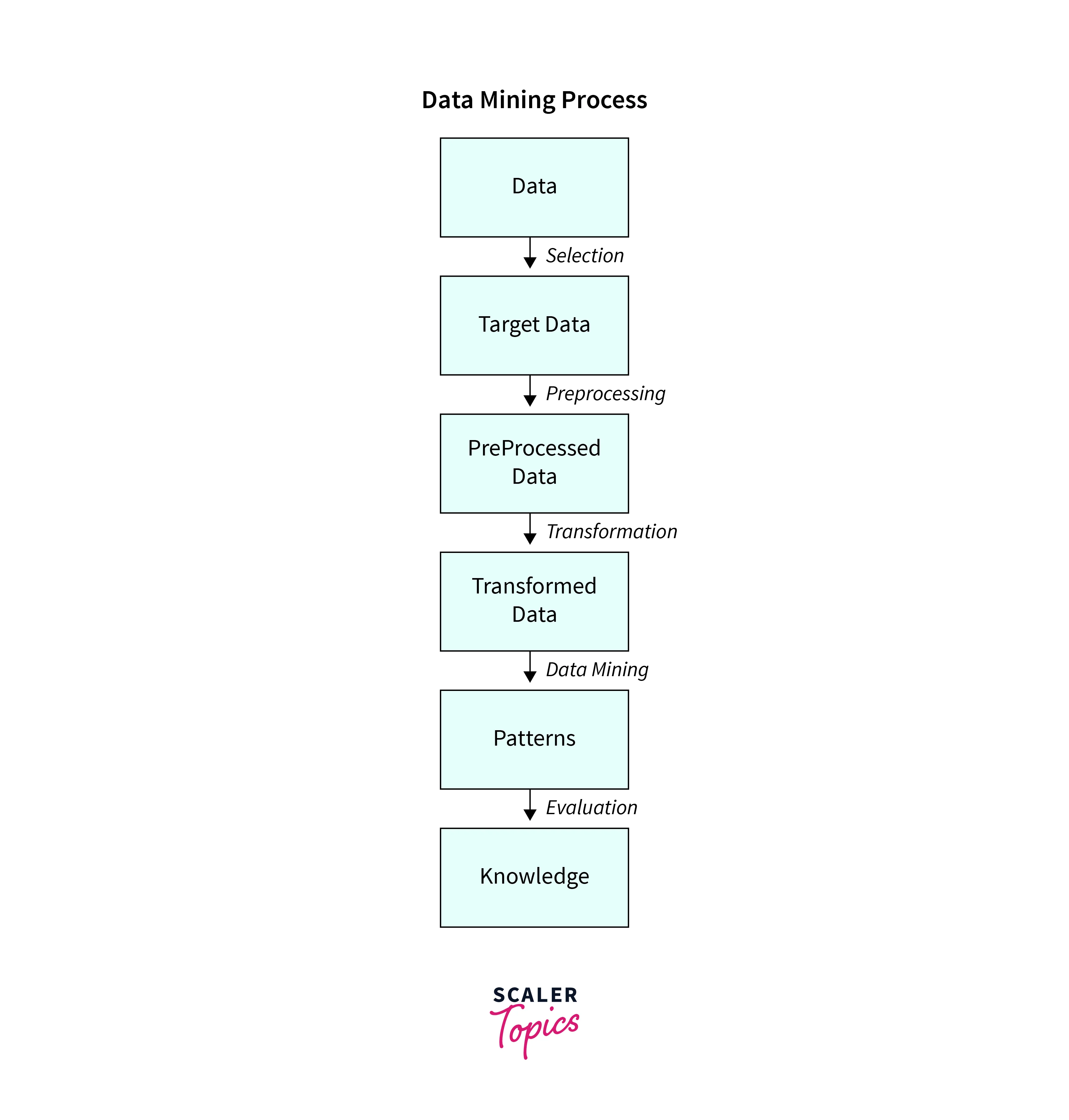
Data Mining
Data Mining professionals utilize AI techniques to extract valuable patterns and knowledge from vast datasets. Your expertise in data exploration, preprocessing, and pattern recognition will contribute to driving insights and actionable intelligence within the artificial intelligence career.
To excel in data mining within the artificial intelligence career, it is essential to possess the following skills and be familiar with relevant tools:
- Statistical Analysis: Proficiency in statistical concepts, hypothesis testing, and exploratory data analysis within the artificial intelligence career.
- Database Systems: Knowledge of database concepts and SQL within the artificial intelligence career. Proficiency in working with large datasets, querying databases, and data extraction.
Companies That Make Use of AI
Here are some companies that actively make use of artificial intelligence in their operations:
- Amazon: Amazon utilizes AI for various purposes, including personalized recommendations, inventory management, and logistics optimization, creating opportunities for professionals in the artificial intelligence career.
- Apple: Apple integrates AI into its products and services, such as Siri, facial recognition, and augmented reality, offering avenues for individuals in the artificial intelligence career to contribute to innovative technology development.
- Google: Google is at the forefront of AI research and applications, employing artificial intelligence in areas such as search algorithms, natural language processing, autonomous vehicles, and healthcare, providing extensive opportunities for professionals in the artificial intelligence career.
- Facebook: Facebook leverages AI in content filtering, facial recognition, chatbots, and ad targeting, making it an attractive company for individuals in the artificial intelligence career who are interested in social media and data analytics.
- DJI: As a leading drone manufacturer, DJI incorporates AI into its drones for features like obstacle detection, autonomous flight, and computer vision, offering avenues for professionals in the artificial intelligence career to work on cutting-edge aerial technologies.
- Anki: Anki develops consumer robotics products that utilize AI for interactive experiences, such as Cozmo and Vector robots, presenting opportunities for individuals in the artificial intelligence career to contribute to the advancement of consumer robotics.
- Clarifai: Clarifai specializes in AI-powered image and video recognition technologies, offering solutions for various industries like healthcare, e-commerce, and security, creating avenues for professionals in the artificial intelligence career to work on computer vision applications.
- Deepmind: Deepmind, a subsidiary of Alphabet Inc. (Google's parent company), focuses on AI research and applications, with projects ranging from healthcare to game-playing algorithms, providing opportunities for individuals in the artificial intelligence career to contribute to groundbreaking research.
- Casetext: Casetext utilizes AI in the legal industry, providing AI-powered legal research tools and document analysis, creating opportunities for professionals in the artificial intelligence career to contribute to the intersection of AI and law.
- DataVisor: DataVisor specializes in AI-driven fraud detection and prevention solutions, using machine learning and advanced analytics to identify fraudulent activities, offering avenues for individuals in the artificial intelligence career to work on data security and fraud mitigation.
Vast Applications of AI
- Healthcare: AI is revolutionizing healthcare by enabling faster and more accurate diagnosis, personalized treatment plans, and AI-powered medical imaging analysis, providing opportunities for professionals in the artificial intelligence career to contribute to improved patient care.
- Education: AI is being used in education to develop personalized learning experiences, intelligent tutoring systems, and automated grading, creating new avenues for professionals in the artificial intelligence career to shape the future of education.
- Sports: AI is employed in sports analytics, player performance analysis, and injury prevention, offering opportunities for professionals in the artificial intelligence career to optimize team strategies, enhance player performance, and revolutionize sports training.
- Construction: AI is being utilized in construction for project planning, safety monitoring, and predictive maintenance, providing professionals in the artificial intelligence career with opportunities to improve construction efficiency and enhance building design processes.
- Banking: AI is transforming the banking industry through fraud detection, personalized financial recommendations, and AI-powered chatbots for customer service, creating openings for professionals in the artificial intelligence career to contribute to the advancement of financial technologies.
- Marketing: AI is revolutionizing marketing with personalized customer targeting, predictive analytics, and recommendation systems, offering professionals in the artificial intelligence career the chance to optimize marketing campaigns and enhance customer experiences.
- E-commerce: AI is employed in e-commerce for product recommendation engines, chatbots for customer support, and supply chain optimization, opening up opportunities for professionals in the artificial intelligence career to shape the future of online shopping experiences.
Future of AI
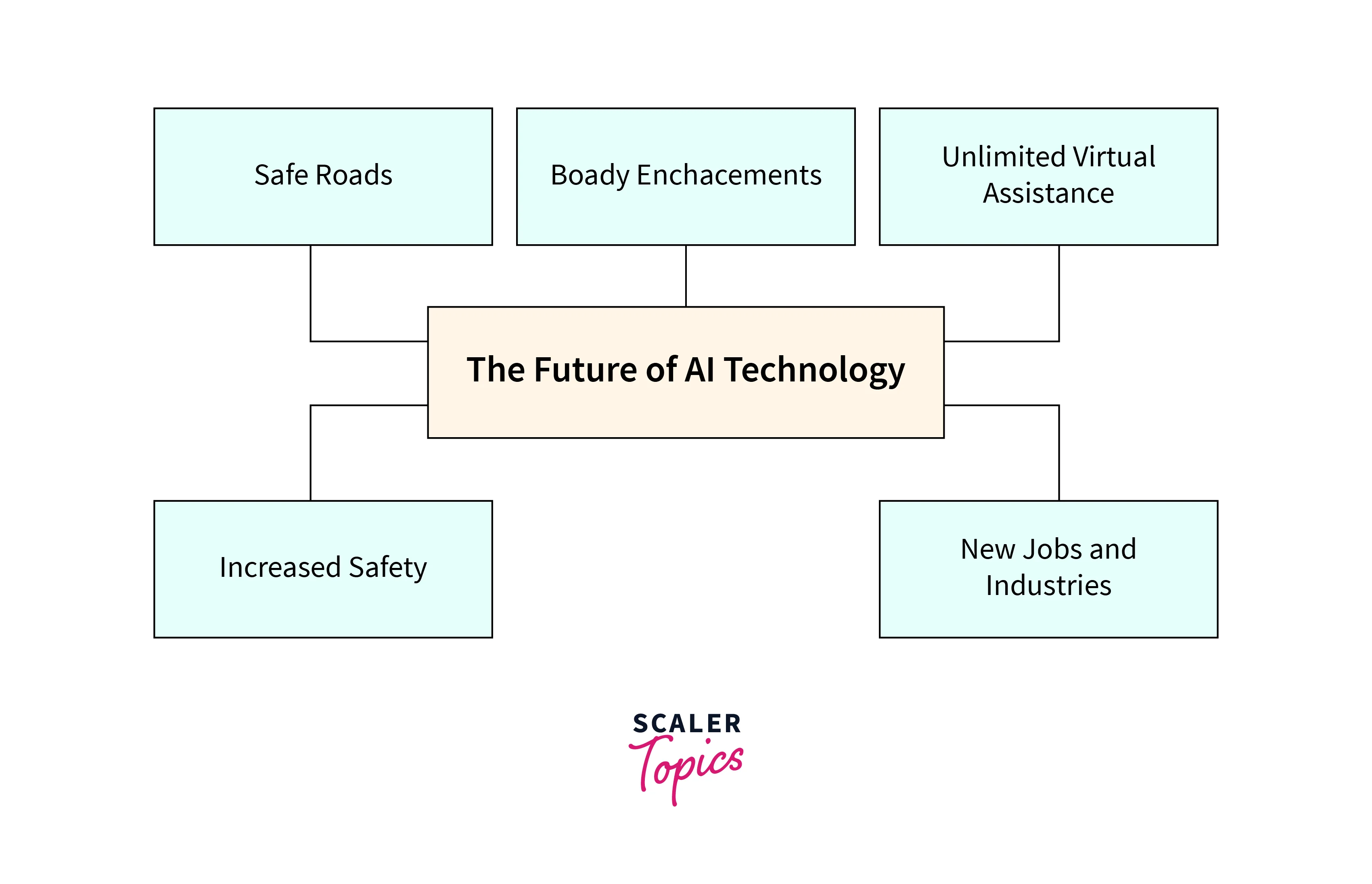
The future of AI holds tremendous potential and will continue to shape various industries, offering exciting opportunities for professionals in the artificial intelligence career.
Here are some key points on the future of AI:
- Advancements in Machine Learning: The field of machine learning within the artificial intelligence career will witness significant advancements, with the development of more powerful algorithms and techniques.
- Increased Automation: AI will continue to drive automation across industries, transforming workflows and optimizing processes. Tasks that are repetitive or rule-based will be automated.
- Ethics and Responsible AI: The ethical considerations surrounding AI will become increasingly important. As AI becomes more integrated into society, professionals in the artificial intelligence career will play a crucial role in ensuring that AI systems are developed and deployed responsibly, taking into account issues such as bias, privacy, and transparency.
- Expansion of AI in Healthcare: AI will have a profound impact on the healthcare industry. It will aid in disease diagnosis, drug discovery, personalized medicine, and health monitoring.
- AI for Cybersecurity: AI will play a crucial role in enhancing cybersecurity measures, and detecting and preventing cyber threats in real-time.
FAQs
Q. What job will I get if I study artificial intelligence?
A. Job prospects in artificial intelligence (AI) include roles such as AI engineer, data scientist, machine learning engineer, and AI researcher.
Q. How to get into AI from a non-IT background?
A. Transitioning into AI from a non-IT background can be achieved by gaining relevant skills through online courses, boot camps, or pursuing a degree in AI.
Q. How to switch to AI as a working professional?
A. Working professionals can switch to AI by upskilling through online courses, attending workshops, joining AI-related projects, and networking with professionals in the field.
Q. Who are the top recruiters in AI?
A. Top recruiters in AI include tech giants like Google, Microsoft, and Amazon, as well as leading research institutions and startups specializing in AI.
Q. What are the skills required in the field of AI?
A. Skills required in AI include programming languages (Python, R), statistics, machine learning algorithms, data analysis, deep learning, and problem-solving abilities.
Q. Do AI careers require a Master’s Degree?
A. While a master's degree in AI or related fields can enhance career prospects, it is not always mandatory, as practical experience, certifications, and a strong portfolio can also be valuable for AI careers.
Conclusion
- The demand for AI professionals is on the rise across various industries, providing a wide range of career options in fields.
- AI careers encompass a diverse range of roles, including data scientists, machine learning engineers, AI researchers, robotics scientists, NLP engineers, and AI consultants.
- To thrive in the AI career, professionals need skills in programming, machine learning, data analysis, statistical modelling, and domain expertise, among others.
- Transitioning into the AI field is possible for individuals from diverse backgrounds. While a background in IT or computer science is advantageous, non-IT professionals can enter the AI career by gaining relevant skills.