


The Future Of DevOps
Overview
DevOps has been gaining popularity as a software development approach that emphasizes the importance of collaboration, communication, and automation. With more and more organizations embracing this methodology, it's only natural to ponder about the future of DevOps. So, let's take a glimpse into what the future holds for DevOps!
Introduction
DevOps is an acronym that stands for Development and Operations, and it has become a crucial aspect of software development in the age of Agile and Digital Transformation. Think of DevOps as the peanut butter to your jelly - they just go together! The ultimate aim of DevOps in any organization depends on various factors like the organization's goals, culture, and level of maturity. Let's go step by step and discuss DevOps future.
What is DevOps?
DevOps is like a beautiful amalgamation of software development and IT operations, a match made in heaven, if you will. By incorporating DevOps into your business model, you get more visibility over the entire pipeline, which means less redundancy and more efficient teamwork. According to recent data, more than half of all companies either have implemented DevOps or plan to do so in the near future.
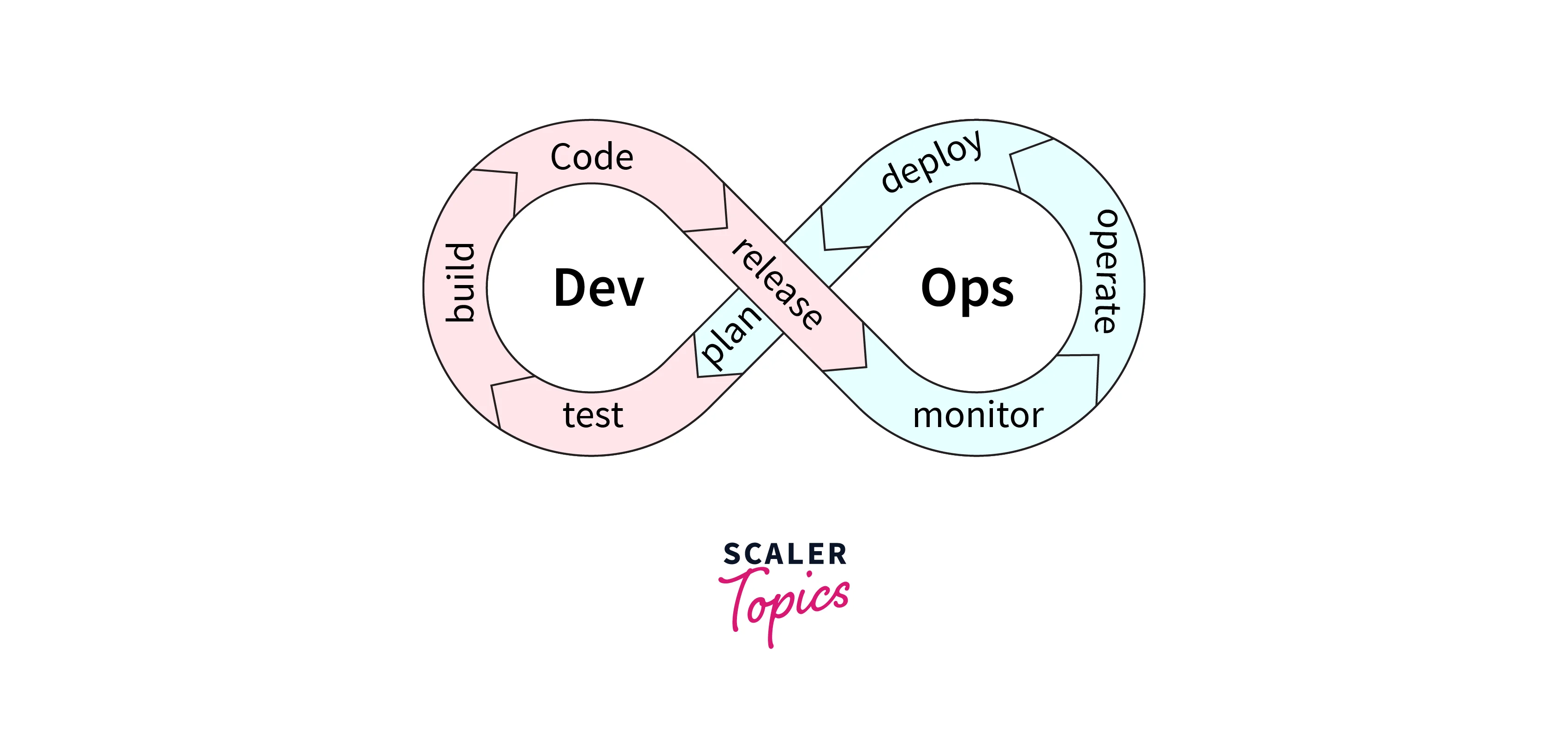
This is critical because as apps become increasingly important for businesses, mobile app development relies on your team's ability to adapt quickly to customers' needs and make changes that are both sensible and swift.
DevOps future is not just the future of business; they are practically joined at the hip. While it's impossible to predict with complete certainty how this methodology will evolve in the coming years, we can expect some exciting trends in the world of DevOps development.
Is DevOps in High Demand?
DevOps has gained significant popularity in recent years as organizations seek to increase efficiency and streamline their software development processes. DevOps is an integral part of the Agile methodology, which emphasizes collaboration, communication, and automation to enable faster and more reliable software releases.
DevOps' future is promising, as businesses increasingly recognize the benefits of adopting DevOps practices. As a result, the demand for DevOps professionals is on the rise, and this trend is expected to continue in the coming years. DevOps professionals are highly valued for their ability to bridge the gap between development and operations teams and improve the overall efficiency of the software development process.
Multiple sectors, including finance, healthcare, and technology, are seeking skilled DevOps professionals. As such, there are numerous job opportunities available for those with DevOps expertise. As businesses continue to adopt DevOps practices to enhance their software development processes, the demand for qualified DevOps professionals is expected to remain high.
Trends That Will Impact the Future of DevOps
DevOps is a methodology that has been gaining significant attention in the tech industry. It has been evolving over the last decade, and its future scope will depend on better communication and increased job opportunities. Here are some of the trends that will impact DevOps future in 2023.
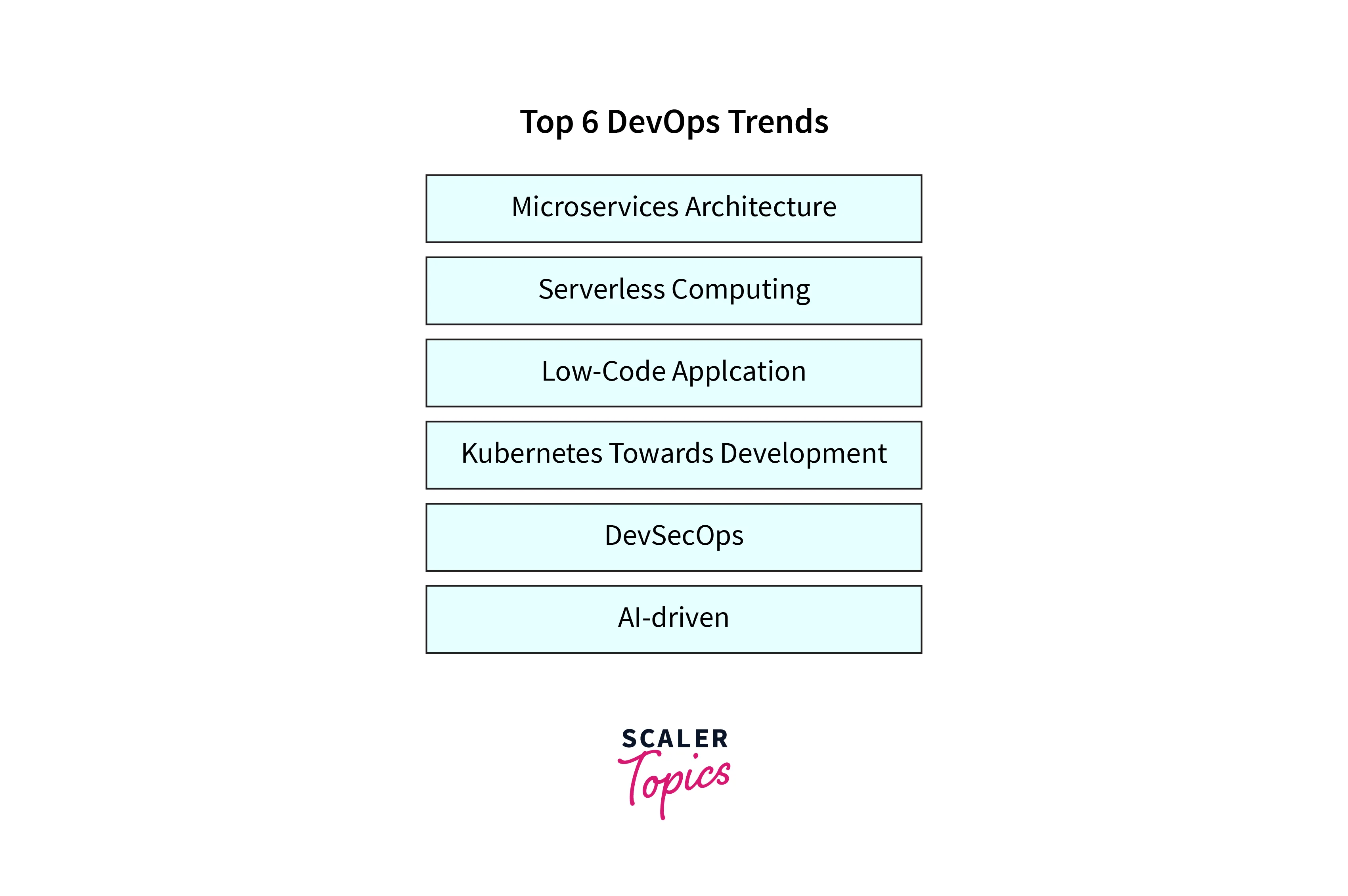
- Microservices architecture is a process of developing your software in a way such that chunks of the software can be used independently without compromising the functionality of the entirety of the application. Therefore, by using a microservices architecture, we will be able to respond quickly to market needs without introducing major changes to the codebase.
- Cloud-native technology has been gaining popularity, and it mostly relies on immutable infrastructure. Microservices and containerization are also major components of cloud-native, and it often enables developers to deploy changes without altering the current production environment.
- Automation and Continuous Integration/Continuous Deployment (CI/CD) practices are the backbone of DevOps. Automating infrastructure is accompanied by automation of testing and deployment processes. This helps organizations keep up with technological advancements while reducing the time spent on manual tasks.
- Artificial Intelligence (AI) and Machine Learning (ML) are utilized to automate monotonous tasks, allocate resources efficiently, and enhance quality assurance. These technologies help organizations save time and money by automating tasks that would typically require human intervention.
- Kubernetes has become a very popular engine that leverages the orchestration of containers. By pairing Kubernetes and DevOps, we can develop a scalable approach where you can deploy applications and services in any environment whatsoever, regardless of the infrastructure.
The Future of DevOps: Possibilities and Challenges
DevOps has revolutionized the world of software development by allowing companies to deploy more services in less time. However, with great power comes great responsibility, and DevOps faces its own set of challenges.
One of the biggest challenges for DevOps is to not compromise the quality of the services being delivered. It's like trying to eat a pizza quickly without burning your mouth or dropping toppings all over your shirt. Tricky, right?
To tackle this challenge, DevOps needs to focus on automating tasks, keeping a keen eye for potential changes, and reinforcing security practices. It's like having a robot butler who keeps an eye on everything and makes sure everything runs smoothly, including protecting your secret pizza recipe.
To achieve success, DevOps teams need to possess a collective comprehension of their organization's business targets. This requires better communication and coordination with stakeholders. Think of it like a team of superheroes working together to save the world (or at least the company's bottom line).
DevOps' future is a bright one, full of possibilities and opportunities. It's like looking at a pizza with all your favorite toppings, and knowing that you have the power to create something truly delicious. So, let's embrace the challenges, focus on the possibilities, and enjoy the pizza (both literally and metaphorically).
The Future of DevOps: Based on Industry
As DevOps continues to grow and mature, it's clear that the future of DevOps will look different for different industries. For example, the healthcare industry may prioritize security and compliance, while the e-commerce industry may focus on scalability and rapid deployment.
In the finance industry, DevOps will continue to play a critical role in automating manual tasks, reducing risk, and increasing efficiency. As banks and financial institutions increasingly adopt DevOps, we can expect to see faster deployment times, better customer experiences, and fewer errors - unless, of course, there's another financial crisis, in which case all bets are off!
Overall, the future of DevOps is promising, and we can expect to see more companies embrace DevOps practices as they seek to keep up with the ever-changing technology landscape. However, each industry will face its unique challenges and opportunities, and DevOps teams will need to adapt and innovate to meet those needs.
The Future of DevOps: Based on Location
DevOps has gained popularity throughout the world due to its capabilities to enhance the speed of application and service delivery. The future of DevOps seems promising, with the rising demand for skilled professionals in this field.
- India
Since it has a large population, needless to say, India is home to a few of the world's top tech talents. DevOps has gained a significant foothold in India. Startups and even established MNCs are leveraging it to efficiently scale their businesses. India's abundant tech talent makes it a desirable location for DevOps growth. - United States
DevOps methodology creates a big impact on the economy of the world. This puts the United States at an advantage due to its population of highly skilled workers. - Canada
Canada is an active participant in the DevOps community, with several DevOps conferences, meetups, and groups such as the Canadian Developer's Conference. The country's tech industry is rapidly growing, making it a promising location for DevOps. - United Kingdom
DevOps' future in the UK looks bright, with increased inculcation of DevOps. Even the UK government plays a part in the adoption of DevOps and has changed multiple business laws to make the adoption easier. - Australia
Due to its lesser frequency of natural disasters, Australia is a favorable destination for DevOps. Numerous organizations in Australia have implemented DevOps to boost the swiftness and quality of software delivery.
Future of DevOps Jobs
DevOps is a methodology that combines software development and operations. Its aim is to create and maintain efficient, stable, and secure software products.
The future of DevOps jobs looks promising as more and more companies are adopting this approach. This has resulted in high demand for professionals who possess the necessary skills for these positions. DevOps has become an integral part of modern businesses as it enables faster delivery of software with non-compromised security and stability.
The Future of DevOps: What it Will Look Like in 2030
DevOps is a rapidly evolving methodology that is responsible for revolutionizing the way we work. With the increasing digitization of the world, companies need to iterate dynamically. DevOps provides a collaborative framework that helps organizations meet these demands.
Plus, it gives businesses an added advantage, as explained in the illustration below:
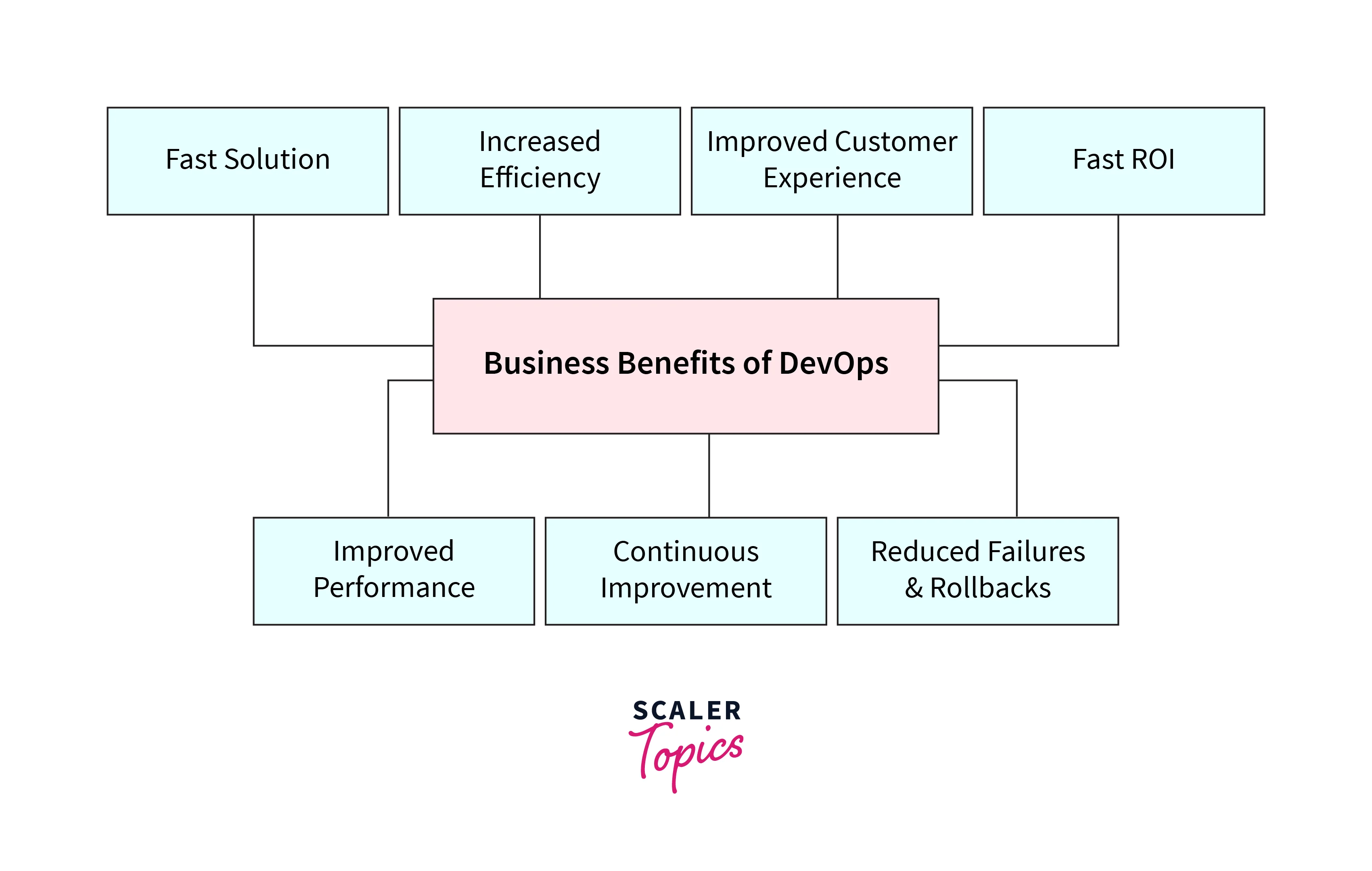
Allied Market Research says that the global DevOps market is expected to grow by 24.2% by 2020. These projections indicate that the future of DevOps is bright and promising. Additionally, DevOps jobs are expected to be in high demand compared to other technology areas.
FAQs
Q: Can a Beginner Learn DevOps?
A: Although it can be challenging for a beginner to keep up with the constant introduction of new technologies and tools, it is definitely possible to learn DevOps. There are many resources available that can help beginners learn DevOps.
Q: Does DevOps Need Coding?
A: Coding is crucial for DevOps as it allows for the automation of processes. DevOps professionals can use programming languages such as Python or Ruby or scripts to ensure that they produce high-quality code.
Q: How to Start a Career in DevOps?
A: To be a DevOps Engineer, you need to know your interest in the field first. There are various job titles in DevOps that vary across companies.
After identifying your area of interest, all you need to do is develop the skillset needed and then, apply for jobs! Once you secure the very first job, it will be easier to land your subsequent ones.
Q: What is the next big thing in DevOps?
A: DevOps will migrate from a concept where developers and operations work together to innovate and produce better products to one where they collaborate to create more efficient processes. DevOps is transitioning from a two-team approach to a single team with multiple roles.
Q: How long will DevOps last?
A: Even though DevOps has been in existence for many years, it has become a popular approach among companies only in recent times. DevOps involves not only process improvements but also organizational changes. As it helps organizations enhance their agility, speed, quality, and cost-effectiveness, DevOps future is going to bloom.
Elevate Your Tech Career Beyond Boundaries! Explore the Power of DevOps with Our DevOps Training. Enroll Now!
Conclusion
- DevOps is a methodology that combines software development and operations to improve the quality and efficiency of software development.
- DevOps has become increasingly popular in recent years due to its ability to streamline the software development process and improve collaboration between teams.
- The future of DevOps looks bright, with projected growth in the global market and a high demand for DevOps professionals.
- As technology continues to evolve, DevOps will likely shift from a two-team approach to a more integrated team with two roles, where developers are responsible for introducing new technologies and innovations into the development process.
- Beginners can learn DevOps with the help of various resources available online, and job seekers can find opportunities by networking and applying for positions on job search websites.
- DevOps is here to stay and will continue to help organizations improve their agility, speed, quality, and cost-effectiveness.