


The Importance of Artificial Intelligence
Artificial Intelligence (AI) is like a smart assistant that can learn, make decisions, and solve problems on its own. It's a technology that uses computers and machines to mimic the problem-solving and decision-making capabilities of the human mind. From powering smart home devices to transforming industries with automation, AI is everywhere. The importance of artificial intelligence lies in its ability to handle complex tasks quickly and efficiently, making life easier and businesses more innovative and productive. In essence, AI is not just about robots; it's about enhancing human capabilities and creating opportunities in various fields, making it a cornerstone of modern technological advancement.
What is artificial intelligence?
Artificial Intelligence (AI) is a branch of computer science focused on creating systems that can perform tasks that typically require human intelligence. These tasks include understanding natural language, recognizing patterns in data, making decisions, and learning from experience. Unlike traditional computer programs that follow explicit instructions, AI systems are designed to analyze data, learn from it, and make predictions or decisions based on that learning. This is achieved through various methods, such as machine learning, where algorithms improve their performance as they are exposed to more data. AI can be as simple as a recommendation algorithm on a streaming platform or as complex as autonomous vehicles navigating through city streets. It's a technology that aims to augment and extend human capabilities, making it possible to automate routine tasks, provide insightful data analysis, and drive innovation across countless fields.
Why does AI matter?
Artificial Intelligence (AI) is reshaping the world, offering transformative potential across all aspects of society. Its significance lies in its ability to process vast amounts of data swiftly, uncover insights, and automate complex tasks. Here's why AI is indispensable:
A Critical Source of Business Value
AI is a powerhouse for generating business value, enabling companies to optimize operations, enhance customer experiences, and innovate products and services. By analyzing data patterns, AI can predict consumer behaviour, streamline supply chains, and personalize marketing efforts. This intelligence allows businesses to make informed decisions, reduce costs, and boost efficiency. Furthermore, AI-driven innovations open new revenue streams and markets, making businesses more resilient and adaptable to changing environments.
Agility and Competitive Advantage
In today's fast-paced world, agility is key to staying competitive. AI empowers organizations to respond to market changes and customer needs rapidly. It automates routine tasks, freeing up human employees to focus on creative and strategic work. This agility fosters a culture of continuous improvement and innovation, helping businesses to stay ahead of the curve. Moreover, companies leveraging AI can better identify trends and opportunities, making them more proactive and competitive in the marketplace.
The importance of artificial intelligence is underscored by its contribution to business value and competitive advantage. By harnessing AI, organizations can optimize their current operations and pave the way for future growth and success.
The Benefits of AI

The importance of artificial intelligence as of now is impeccable. It brings a multitude of benefits that are transforming industries, enhancing our daily lives, and shaping the future of how we work, live, and interact. Here are some of the key advantages:
End-to-End Efficiency
AI excels in optimizing processes from start to finish, dramatically enhancing efficiency across various sectors. By automating routine and time-consuming tasks, AI enables businesses to focus on innovation and strategic growth. In manufacturing, for instance, AI can predict equipment failures before they happen, reducing downtime and maintenance costs. In healthcare, AI streamlines patient data management, leading to faster and more efficient patient care. This end-to-end efficiency not only saves time but also reduces operational costs, making businesses more sustainable and productive.
Improved Accuracy and Decision-Making
One of the standout benefits of AI is its ability to process and analyze vast amounts of data with precision, leading to more accurate outcomes and informed decision-making. In fields like finance, AI algorithms can detect fraudulent activities by analyzing transaction patterns and enhancing security and trust. In the realm of environmental science, AI helps in accurately predicting weather patterns and natural disasters, aiding in better preparation and response strategies. By minimizing human errors and leveraging data-driven insights, AI supports critical decisions that can lead to significant improvements in performance, safety, and effectiveness across various domains.
Intelligent Offerings
AI enables businesses to create smart, personalized products and services that adapt to individual user needs. These intelligent offerings range from AI-powered recommendations on streaming services to smart home devices that learn from your habits to improve your living experience. By leveraging data on user behavior and preferences, companies can design solutions that not only meet but anticipate customer desires, enhancing satisfaction and loyalty. This innovation leads to a competitive edge in the market, as products continuously evolve to offer more value and convenience to users.
Empowered Employees
AI tools and systems augment human capabilities, empowering employees to achieve more with their time and talents. By automating mundane tasks, workers can focus on higher-value activities that require creativity, problem-solving, and emotional intelligence—areas where humans excel. AI-driven insights also help employees make better decisions, learn new skills, and adapt to new challenges more effectively. This empowerment leads to a more motivated and productive workforce, capable of driving innovation and growth from within the organization.
Superior Customer Service
AI is revolutionizing customer service, offering seamless, personalized experiences that raise the bar for customer satisfaction. Chatbots and virtual assistants provide 24/7 support, handling inquiries and solving problems with speed and accuracy. AI can also tailor customer interactions based on previous behaviour, preferences, and feedback, making each experience feel unique and valued. This level of service not only enhances customer loyalty but also differentiates companies in a crowded marketplace, where exceptional service is often the deciding factor for consumers.
The Future of AI
As the importance of artificial intelligence continues to grow, its impact on society and business is expected to grow significantly. The future of AI holds immense potential, but also requires thoughtful planning and adaptation in various areas:
Define Your Business Value
In the future, AI will be central to defining the value and success of businesses. Companies will need to identify how AI can specifically contribute to their unique value proposition. This involves integrating AI into their core strategies to enhance product offerings, improve operational efficiency, and drive innovation. Businesses will have to determine the most effective ways to leverage AI to create competitive advantages and meet evolving market demands. The key will be in using AI not just as a tool, but as a fundamental part of the business model to create lasting value.
Rework Your Workforce
The advancement of AI necessitates a transformation in the workforce. Jobs will evolve, and new roles will emerge, focusing more on managing, interpreting, and making decisions based on AI-generated insights. This shift requires significant investment in retraining and upskilling employees to work effectively alongside AI technologies. Organizations will need to foster a culture of lifelong learning, where employees are continuously adapting to new tools and methodologies. Embracing this change can lead to a more dynamic, skilled, and versatile workforce capable of driving the business forward in the AI era.
Establish Governance and Ethical Frameworks
As AI becomes more pervasive, the need for robust governance and ethical frameworks becomes critical. It's essential to establish guidelines that ensure AI is used responsibly, transparently, and fairly. This includes addressing issues like data privacy, algorithmic bias, and ethical implications of AI decisions. Establishing these frameworks will require collaboration between businesses, regulatory bodies, and ethical experts. By prioritizing ethical considerations and responsible use, organizations can build trust and ensure the sustainable and beneficial development of AI technologies for society.
AI Ethics
As Artificial Intelligence (AI) integrates deeper into society, ensuring its ethical use becomes paramount. AI ethics revolves around creating technology that not only advances human interests but also respects human values and rights. Here are the key pillars:
Trust
Trust is foundational to the ethical deployment of AI. This means AI systems must be reliable, fair, and used in ways that do not harm individuals or society. Building trust requires mechanisms to monitor AI's impact, ongoing evaluation against ethical standards and responsiveness to public concerns. Ensuring that AI decisions are just and equitable contributes to public confidence in AI technologies.
Data Security
AI systems often rely on vast amounts of personal and sensitive data, making data security a critical ethical concern. Protecting this data against unauthorized access and breaches is essential to maintain privacy and trust. Ethical AI practices involve implementing strong data protection measures, ensuring data is collected and used in compliance with privacy laws, and being transparent about data handling practices.
Transparency and Explainability
AI should operate transparently, with decisions made by AI systems being understandable and explainable to users. This is crucial for accountability, particularly in high-stakes areas like healthcare, finance, and criminal justice. Users should be able to understand how AI systems make decisions and on what basis. Improving the explainability of AI processes helps in identifying and correcting biases or errors, ensuring fair and equitable outcomes.
Control
Maintaining human control over AI systems is a vital ethical principle. This means ensuring that AI technology enhance human decision-making rather than replace it. Human oversight allows for the evaluation of AI's suggestions and the final say in critical decisions, ensuring that AI acts in service of human values and goals. Establishing clear guidelines for human intervention and control helps prevent misuse and potential negative impacts of AI technologies.
Incorporating these ethical considerations into AI development and deployment is essential for fostering innovation that respects human dignity, rights, and freedoms.
Top 4 Uses of Artificial Intelligence
In Medical Science
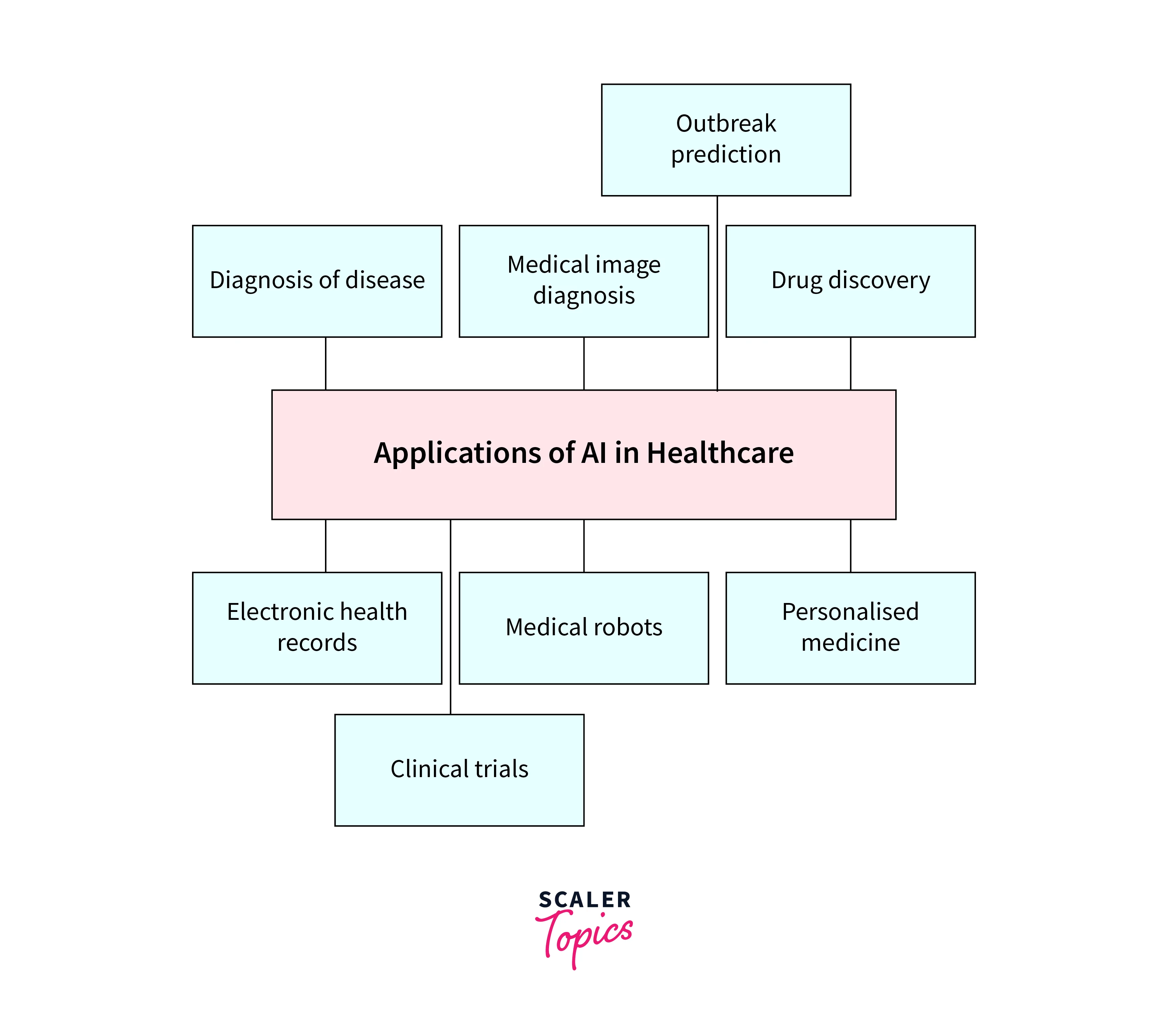
Artificial Intelligence (AI) has revolutionized medical science, offering innovative solutions that improve patient care, enhance research, and streamline healthcare operations. Here are five clear points explaining AI's impact in this field:
-
Disease Diagnosis and Prediction: AI algorithms can analyze medical images, such as X-rays and MRIs, with high precision, helping in the early detection and diagnosis of diseases like cancer, heart conditions, and neurological disorders. Moreover, AI can predict disease progression and potential outbreaks by analyzing patterns in healthcare data, enabling proactive management of public health.
-
Personalized Treatment Plans: AI helps in developing personalized medicine by analyzing patient data, including genetics, lifestyle, and environmental factors. This allows healthcare providers to tailor treatment plans to individual patients, improving outcomes and minimizing side effects.
-
Drug Discovery and Development: AI accelerates the drug discovery process by predicting how different drugs will interact with targets in the body. It can analyze vast databases of existing medicines to repurpose them for new diseases, significantly reducing the time and cost associated with bringing new drugs to market.
-
Robotic Surgery: AI-powered robotic systems enable surgeons to perform precise and minimally invasive procedures. These robots can assist in complex surgeries, reducing human error and improving patient recovery times. AI also aids in pre-operative planning, allowing surgeons to visualize and strategize procedures more effectively.
-
Health Monitoring and Management: Wearable devices and mobile apps integrated with AI analyze real-time health data, offering insights into a person's physical condition and lifestyle habits. This technology enables early warning for potential health issues, promotes healthy behaviors, and supports chronic disease management by providing personalized feedback and recommendations.
AI's application in medical science not only enhances the quality of care but also paves the way for more innovative, efficient, and personalized healthcare solutions.
In the Field of Air Transport
Artificial Intelligence (AI) is transforming the air transport industry by improving efficiency, safety, and passenger experience. Here are five key ways AI contributes to this field:
-
Flight Operations and Traffic Management: AI algorithms optimize flight routes and schedules, reducing fuel consumption and delays while enhancing safety. By analyzing weather data and air traffic in real-time, AI helps in making dynamic adjustments to flight plans, ensuring more efficient and safer air travel.
-
Predictive Maintenance: AI tools analyze data from aircraft sensors to predict potential maintenance issues before they occur, minimizing downtime and extending the lifespan of aircraft parts. This proactive approach to maintenance ensures higher safety standards and reduces unexpected operational disruptions.
-
Baggage Handling and Tracking: AI-driven systems improve baggage handling operations, reducing the chances of lost or misplaced luggage. Through image recognition and tracking technologies, airports can monitor baggage movement more accurately, enhancing the overall passenger experience.
-
Passenger Experience and Services: AI enhances passenger experiences through personalized services, from intelligent check-in kiosks that reduce waiting times to chatbots that provide instant customer service. AI can also tailor travel recommendations and services based on passenger preferences and past behavior.
-
Security and Surveillance: AI improves airport security by analyzing surveillance footage in real time, identifying suspicious activities or objects, and streamlining the screening process. This not only enhances security but also improves the efficiency of security operations, contributing to a smoother and safer travel experience.
The integration of AI in air transport is revolutionizing the industry, making air travel safer, more efficient, and more enjoyable for passengers worldwide.
In the Field of Banking and Financial Institutions

Artificial Intelligence (AI) has become a game-changer in the banking and financial sector, driving innovation, enhancing security, and improving customer service. Here are five ways AI is making an impact:
-
Fraud Detection and Prevention: AI systems analyze transaction patterns in real-time to identify and flag unusual activities that could indicate fraud. By learning from historical data, AI can adapt to new fraudulent tactics, significantly reducing the risk of financial loss for both institutions and customers.
-
Risk Management: AI algorithms assess credit risk by analyzing a wide range of data, including borrowers' financial history, market conditions, and economic trends. This enables more accurate and nuanced risk assessment, helping financial institutions make informed lending decisions and manage their portfolios more effectively.
-
Customer Service Automation: Chatbots and virtual assistants powered by AI provide 24/7 customer service, handling inquiries and transactions with speed and accuracy. These AI tools can resolve common issues efficiently, freeing human staff to focus on more complex customer needs.
-
Personalized Banking Services: AI analyzes customer data to offer personalized financial advice, product recommendations, and investment strategies. By understanding individual customer behavior and preferences, banks can tailor their services to meet specific needs, enhancing customer satisfaction and loyalty.
-
Operational Efficiency: AI streamlines back-office operations in banks and financial institutions, automating routine tasks such as data entry, report generation, and compliance checks. This not only reduces operational costs but also minimizes human error, ensuring more reliable and efficient processes.
The deployment of AI in banking and financial institutions marks a significant shift towards more secure, personalized, and efficient financial services, benefiting both the providers and their customers.
In the Field of Gaming and Entertainment

Artificial Intelligence (AI) has significantly influenced the gaming and entertainment industry, enhancing the way content is created, distributed, and experienced. Here are five key aspects of AI's impact:
-
Game Development and Design: AI algorithms assist in creating complex, dynamic game environments that respond to player actions in real time. This includes generating realistic non-player characters (NPCs) with behaviors that adapt to the player, creating a more immersive gaming experience. AI also streamlines the game development process by automating certain design tasks, allowing developers to focus on creative aspects.
-
Content Personalization: In the entertainment sector, AI curates personalized content for users based on their viewing or playing history. Streaming platforms use AI to recommend movies, TV shows, and games that match individual preferences, enhancing user engagement and satisfaction.
-
Procedural Content Generation: AI is used to generate game assets and levels automatically, allowing for the creation of vast, unique worlds without extensive manual input from developers. This technology can produce endless variations of content, making games more diverse and replayable.
-
Enhanced Player Experience: AI-driven analytics help game developers understand player behavior and preferences, enabling them to optimize game design and balance. AI can also adjust the game difficulty in real-time based on the player's skill level, ensuring a challenging yet achievable experience for gamers of all levels.
-
Virtual Reality and Augmented Reality: AI enhances virtual reality (VR) and augmented reality (AR) experiences by making them more interactive and responsive. In entertainment applications, AI can recognize user movements and gestures, allowing for natural interactions with the virtual environment. This technology is also crucial for creating lifelike simulations and characters in VR and AR spaces.
AI's integration into gaming and entertainment not only pushes the boundaries of content creation and consumption but also offers personalized and engaging experiences to users, marking a new era in how we interact with digital entertainment.
FAQs
Q. What are the disadvantages of Artificial Intelligence (AI)?
A. AI technology can be expensive to develop and implement. It can also lead to job displacement in certain sectors as automation increases. There's a risk of dependency on AI, potentially diminishing human skills. Ethical concerns, such as privacy invasion and data misuse, are significant, alongside the challenges of managing AI biases and ensuring fairness in decision-making processes.
Q. What are some AI applications in everyday life?
A. AI applications in daily life include personalized recommendations on streaming platforms, voice-activated assistants like Siri and Alexa, smart home devices, navigation apps that predict the best travel routes, and spam filters in email services. These applications make daily tasks more convenient and personalized.
Q. What are the advantages of AI in education?
A. AI in education offers personalized learning experiences, adapting to each student's pace and style. It can automate administrative tasks, giving educators more time to focus on teaching. AI-powered analytics can provide insights into student performance, helping to improve teaching strategies. Additionally, AI can facilitate access to global learning resources, breaking down geographical barriers.
Q. How does Artificial Intelligence reduce costs?
A. AI reduces costs by automating routine and labor-intensive tasks, which lowers labor costs and increases efficiency. Predictive maintenance powered by AI minimizes downtime and repair costs in industries. AI-driven optimization of supply chains and energy consumption can also significantly cut operational costs.
Q. Can AI replace human intelligence and creativity?
A. While AI can replicate certain aspects of human intelligence and perform creative tasks to some extent, it cannot fully replace human creativity and emotional intelligence. AI lacks the ability to understand context in the way humans do, and it cannot replicate the depth of human emotions, intuition, and ethical considerations. AI is best viewed as a tool that can augment human abilities rather than replace them.
Conclusion
- Artificial Intelligence stands at the forefront of technological innovation, reshaping industries from healthcare to entertainment, and opening new possibilities for advancements and efficiency. The importance of artificial intelligence cannot be ignored.
- Its broad applications enhance daily life, offering improved medical diagnoses, streamlined transportation, personalized financial services, and tailored entertainment experiences.
- Despite its vast potential, AI presents challenges including ethical dilemmas, privacy concerns, and the impact on jobs, highlighting the need for careful management and oversight.
- The future promises even greater AI advancements, with the potential to redefine business models, empower workforces, and improve personal and professional lives through smarter, more responsive technologies.
- Addressing AI's challenges requires a commitment to ethical development, data security, and maintaining a balance between automation and human employment, ensuring AI serves as a force for good.