


Difference between Linker and Loader
Build an AI-First Career, Master the Complete Skillset
Choose from our industry-leading programs designed for career success
Modern Software and AI Engineering Program
Master full-stack development with AI integration


 +1000 more
Modern Data Science and ML with specialisation in AI
Advanced data science techniques with AI specialization
+1000 moreAdvanced AIML with Specialisation in Agentic AI
Deep dive into AIML with focus on Agentic systems
+1000 moreDevOps, Cloud & AI Platform Engineering
Build and manage AI-powered cloud infrastructure
+1000 moreAI Engineering Advanced Certification by IIT-Roorkee
Premier AI engineering certification from IIT-Roorkee

AI Forward Deployed Engineer Program
Full-stack engineering, production AI and client-facing consulting
+1000 moreOverview
In the world of software development, there are a bunch of processes that work together to transform human-readable code into executable programs that computers can understand and run. Two crucial stages in this intricate journey are linking and loading. Linking and loading are essential components of the compilation process, aiding in converting high-level programming code into a form that the computer's hardware can execute. In this article, we delve into the fundamental differences between linker and loader, shedding light on their distinct roles in software development.
What is Linker?
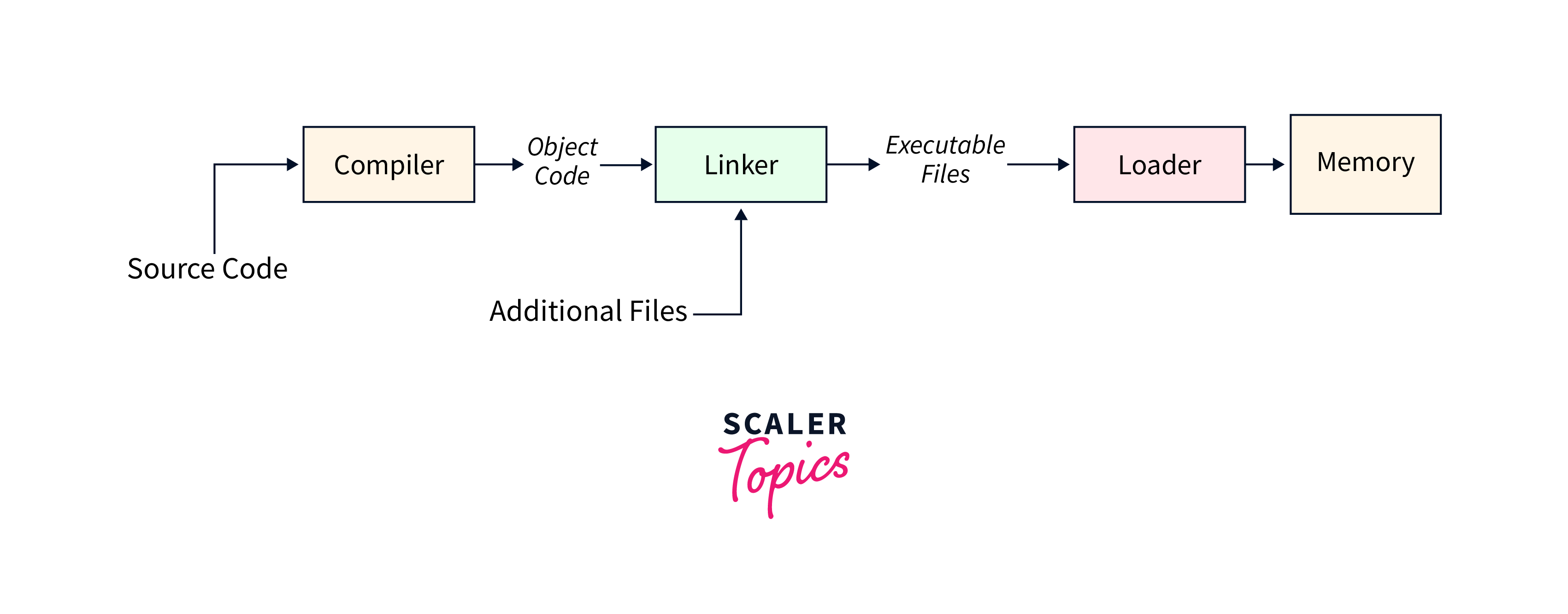
Linking is a pivotal step in the compilation process, where multiple object files are combined to create a single executable program. Object files are generated during the compilation of source code files and contain machine-readable code, data, and symbols. A linker is a utility that resolves references between various object files and libraries, thus creating a cohesive executable file.
The primary function of a linker is to resolve symbol references between different object files. Symbols include variables, functions, and data structures. During the compilation of a program, references to symbols are often made across different source files. The linker ensures that these references are correctly resolved so that the program can execute seamlessly. It also handles duplicate symbol resolution, ensuring that each symbol is defined only once.
What is Loader?
Once the executable program is created through the linking process, the next step is loading. Loading involves placing the executable program into the computer's memory, allowing it to be executed by the processor. A loader is a system component responsible for this task. It takes the executable program from the storage medium (usually a hard disk) and transfers it to the computer's RAM.
The loader performs several crucial functions, such as allocating memory space for the program, relocating the program if necessary (adjusting memory references to match the current memory location), and initializing program-related data structures. Once loaded, the program is ready to be executed by the computer's processor.
How Scaler Transformed Careers in Different Fields
Scaler learners achieved 2.5x salary growth with average post-Scaler CTC reaching ₹23L.
 Google
 Amazon
 Microsoft
 Flipkart
 Adobe1200+ more
Linker vs. Loader
Here's a concise comparison of the key differences between linker and loader:
| Aspect | Linker | Loader |
|---|---|---|
| Purpose | Resolves symbol references and generates a single executable file. | Loads the executable program into the computer's memory for execution. |
| Stage in Process | Operates after the compilation of source code | Operates after linking and before execution. |
| Interaction | Interacts with object files, libraries, and resolves symbol references. | Interacts with executable files and computer memory. |
| Main Functions | Symbol resolution, duplicate symbol resolution, generating an executable file. | Memory allocation, relocation, and initialization of program structures. |
| Dependency | Dependent on the source code, object files, and libraries used in the program. | Dependent on the executable program file and available memory space. |
| Error Detection | Detects unresolved symbols, duplicate symbols, and other linking errors. | Detects memory allocation failures, relocation errors, and execution errors. |
FAQs
Q. What happens if linker errors are present in the code?
A. Linker errors occur when symbol references cannot be resolved, leading to an incomplete or non-functional executable program.
Q. Can multiple loaders be used for a single program?
A. No, a single loader is responsible for loading a program into memory. However, modern operating systems may use dynamic loaders to load shared libraries as needed.
Q. Is linking a one-time process?
A. Linking is usually a one-time process, generating an executable program. However, dynamic linking allows the program to access shared libraries at runtime.
Turn Learning into Career Growth
Conclusion
- Linking and loading are essential phases in the software development process, each serving a distinct purpose to transform source code into executable programs.
- The linker plays a pivotal role in resolving symbol references, combining object files, and generating a cohesive executable file.
- On the other hand, the loader is responsible for loading the executable program into the computer's memory, facilitating its execution by the processor.
- While the linker operates after the compilation of source code, the loader operates after linking and before execution.
- Linker errors can lead to unresolved symbols and incomplete programs, while loader errors involve memory allocation, relocation, and execution issues.
- Understanding the differences between linker and loader is crucial for developers to ensure the successful compilation and execution of their software projects.




