


Top 5 React Native Books You Must Read (2023)
Overview
In this article, we will help you find the top 5 React Native books you must read in 2023. These books are suitable for beginners as well as advanced developers who want to master React Native and build amazing apps.
Introduction
If you want to learn React Native or enhance your skills, reading books is an excellent way to do so. Books can offer you comprehensive and in-depth knowledge, practical examples, and best practices. Books can also help you master the core concepts of React Native, such as components, hooks, state, props, context, etc., as well as the advanced topics, such as styling, layout, navigation, global state management, data fetching, data storage, authentication, testing, debugging, deployment, etc.
By reading books, you can gain a solid understanding of how React Native works under the hood, how to use various tools and libraries in the React Native ecosystem, how to solve common problems and challenges, and how to create high-quality and scalable apps with React Native. Books can also inspire you with new ideas and possibilities that can enhance your creativity and productivity.
What is React Native?
React Native is a framework that allows you to build native mobile apps using JavaScript and React. It is based on the idea of “learn once, write anywhere”, which means you can use the same skills and codebase to create apps for different platforms.
React Native uses a declarative approach to build user interfaces. You define your UI using JSX, a syntax extension of JavaScript that resembles HTML. JSX lets you write your UI components as functions that return what they render. For example:
React Native also uses a component-based architecture to organize your UI. You can create reusable components that encapsulate their own state and logic, and compose them together to form complex UIs. For example:
React Native renders your UI components using native UI elements that are specific to each platform. For example, the
React Native also provides a set of core components that are common across platforms, such as <View>,<Image>, <ScrollView>, <TextInput>, etc. You can use these components to create basic layouts and interactions for your app.
If you want to learn more about React Native, you can check out some of our articles that can get you started with begginer-to-advanced concepts with practicle examples:
How to Choose the Best Book to Learn React Native?
Choosing the best book to learn React Native depends on your goals, preferences, and level of experience. However, there are some general criteria that you can use to evaluate and compare different books, such as:
- Content: The book should cover the topics that are relevant and useful for your learning objectives. It should also provide clear and accurate explanations, examples, and exercises that help you understand and apply the concepts.
- Style: The book should have a clear and engaging writing style that suits your reading preference. It should also have a logical and consistent structure that guides you through the learning process.
- Quality: The book should have a high-quality presentation that enhances your reading experience. It should also have a good editing and proofreading that eliminates errors and inconsistencies.
- Reviews: The book should have positive and honest feedback from other readers who have used it. You can check the reviews on online platforms such as Amazon, Goodreads, or Reddit to see what others think about the book.
Top 5 React Native Books
Based on the criteria above, we have selected the top 5 React Native books that you must read in 2023. These books are:
- Fullstack React Native: Create beautiful mobile apps with JavaScript and React Native
- React Native Cookbook: Bringing the Web to Native Platforms, 2nd Edition
- React Native in Action: Developing iOS and Android apps with JavaScript
- Learning React Native: Building Native Mobile Apps with JavaScript, 2nd Edition
- JavaScript Everywhere: Building Cross-Platform Applications with GraphQL, React, React Native, and Electron
Let’s take a closer look at each book and see what they offer.
Fullstack React Native: Create beautiful mobile apps with JavaScript and React Native

This book is a comprehensive and practical guide to building full-stack mobile apps with React Native. It covers everything from setting up your development environment, creating UI components, fetching and updating data, testing and debugging, to deploying and distributing your apps.
In this book, you can expect coverage of the following topics in detail:
- Getting Started: This part introduces you to the basics of React Native, such as how it works, how to set up your environment, how to use Expo, how to create your first app, and how to use core components.
- Components: This part dives deeper into the UI components of React Native, such as how to style them, how to use lists and forms, how to create custom components, how to use animations and gestures, and how to use navigation libraries.
- Data: This part focuses on the data aspects of React Native, such as how to use local storage, how to use Redux for state management, how to use GraphQL and Apollo for data fetching and updating, how to use Firebase for authentication and real-time data, and how to use web sockets for real-time communication.
- Testing and Deployment: This part covers the testing and deployment of your React Native apps, such as how to use Jest for testing, how to use Detox for end-to-end testing, how to debug your apps using various tools, how to deploy your apps using Expo or native tools, and how to distribute your apps using app stores or over-the-air updates.
React Native Cookbook: Bringing the Web to Native Platforms, 2nd Edition
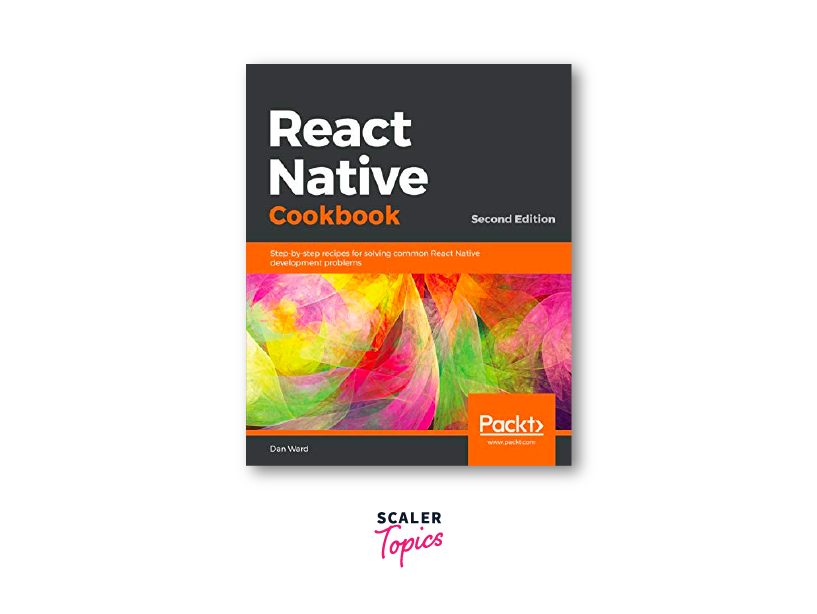
This book is a collection of recipes that provide solutions to common problems and challenges in React Native development. It covers topics such as how to set up your environment, how to use core components and APIs, how to use native modules and components, how to use navigation and routing libraries, how to use data storage and networking libraries, how to use testing and debugging tools, etc.
In this book, you can expect coverage of the following topics in detail:
- Getting Started with React Native: This part introduces you to the basics of React Native, such as how it works, how to set up your environment, how to create your first app using Expo or native tools, and how to use core components.
- Styling, Layouts and Navigation: This part dives deeper into the UI aspects of React Native, such as how to style your components using Flexbox or styled-components , how to create responsive layouts using Dimensions , PixelRatio , etc., how to use navigation libraries such as react-navigation or react-native-navigation , etc.
- Handling User Input, Data and Authentication: This part covers some essential topics in React Native, such as how to handle user input using forms , buttons , touchables , etc., how to use data storage libraries such as AsyncStorage , SQLite , Realm , etc., how to use networking libraries such as fetch , axios , etc., how to use authentication libraries such as Firebase , Auth0 , etc.
- Debugging, Testing and Publishing: This part covers some advanced topics in React Native, such as how to debug your apps using various tools such as Chrome DevTools , React Native Debugger , Flipper , etc., how to test your apps using tools such as Jest , Enzyme , Detox , etc., how to publish your apps using tools such as Expo or native tools.
React Native in Action: Developing iOS and Android apps with JavaScript
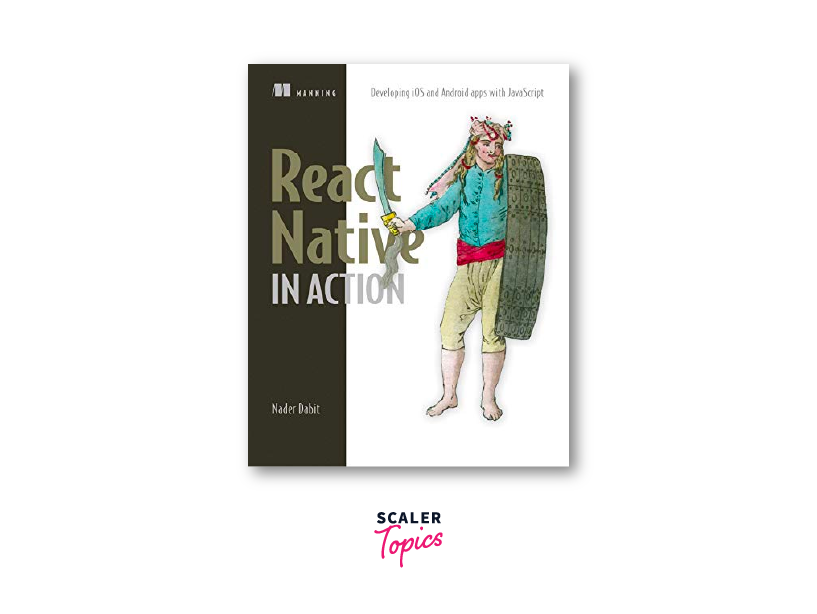
This book is a practical and hands-on guide to building high-quality cross-platform mobile and web apps with React Native. It covers topics such as how to set up your environment, how to create UI components, how to use core APIs and libraries, how to manage state and data, how to test and debug your apps, and how to deploy and distribute your apps.
In this book, you can expect coverage of the following topics in detail:
- Getting Started: This part introduces you to the basics of React Native, such as how it works, how to set up your environment, how to create your first app, and how to use core components.
- Building Apps with React Native: This part dives deeper into the features and functionalities of React Native, such as how to use styling, layout, navigation, forms, lists, images, icons, maps, animations, gestures, etc.
- Beyond the Basics: This part covers some advanced topics in React Native, such as how to use Redux for state management, how to use Firebase for authentication and data storage, how to use GraphQL and Apollo for data fetching and updating, how to use Expo for development and deployment, etc.
Learning React Native: Building Native Mobile Apps with JavaScript, 2nd Edition
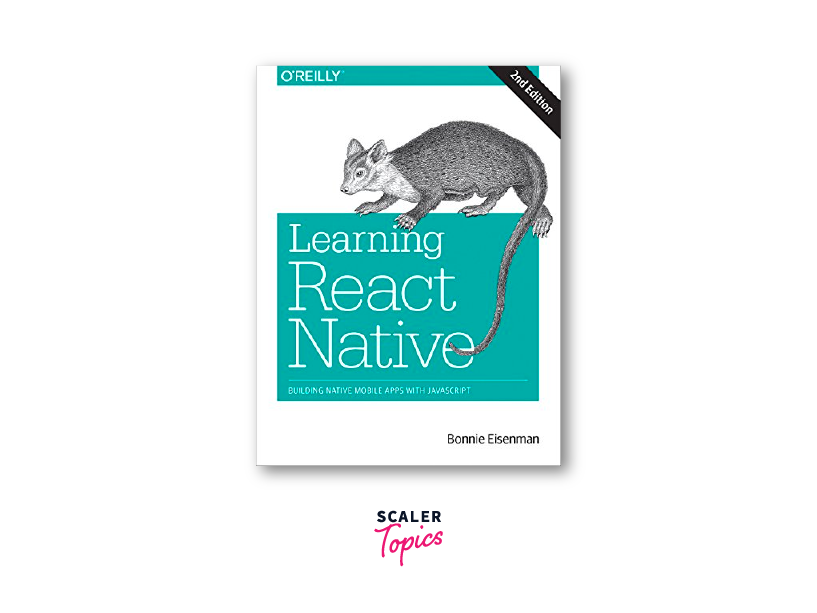
This book is a practical introduction to React Native, the JavaScript framework for writing and deploying fully featured mobile apps that look and feel native. It covers topics such as how to set up your environment, how to create UI components, how to use core APIs and libraries, how to access platform features such as the camera, user location, and local storage, how to test and debug your apps, etc.
In this book, you can expect coverage of the following topics in detail:
- Getting Started with React Native: This part introduces you to the basics of React Native, such as how it works, how to set up your environment, how to create your first app using Expo or native tools, and how to use core components.
- Working with React Native Components: This part dives deeper into the UI components of React Native, such as how to style them using Flexbox or styled-components , how to use lists and forms , how to create custom components , etc.
- Bringing Your App to Life This part covers some advanced topics in React Native, such as how to use animations , gestures , navigation , networking , data storage , authentication , etc.
JavaScript Everywhere: Building Cross-Platform Applications with GraphQL, React, React Native, and Electron

This book is a comprehensive and practical guide to building cross-platform applications with JavaScript and React. It covers technologies such as Node.js, GraphQL, React, React Native, and Electron. It shows you how to create a single CRUD-style application that will work across web, mobile, and desktop platforms.
In this book, you can expect coverage of the following topics in detail:
- Building a GraphQL API: This part introduces you to GraphQL, a query language for APIs that lets you fetch and update data from any source with ease. It shows you how to build a GraphQL server using Node.js, Express, MongoDB, and Apollo Server. It also shows you how to test and secure your API using tools such as Jest, Mocha, Chai, and Passport.
- Building a Web Application with React: This part introduces you to React, a library for building user interfaces using components. It shows you how to create a web application using React, Apollo Client, React Router, and Material-UI. It also shows you how to optimize your web application using techniques such as code splitting, lazy loading, suspense, etc.
- Building a Mobile Application with React Native: This part introduces you to React Native, a framework for building native mobile apps using JavaScript and React. It shows you how to create a mobile application using React Native, Expo, NativeBase, and Apollo Client. It also shows you how to access native features such as the camera, user location, push notifications, etc.
- Building a Desktop Application with Electron: This part introduces you to Electron, a framework for building cross-platform desktop apps using web technologies. It shows you how to create a desktop application using Electron, React, and Apollo Client. It also shows you how to package and distribute your desktop application using tools such as Electron Builder and Electron Forge.
If your react native is your only goal, you can skip to the section where the book has a dedicated chapter for the same.
FAQs
Q1: Why should I read books to learn React Native?
A1: Reading books can help you learn React Native in a comprehensive and practical way. Books can offer you:
- In-depth knowledge of React Native and its related technologies
- Practical examples and exercises that help you apply what you learn in real-world scenarios
- Best practices and tips that help you write better code and avoid common pitfalls
- Inspiration and ideas that help you create amazing apps
Q2: How can I choose the best book for my level of experience?
A2: You can choose the best book for your level of experience by considering the following factors:
- The content of the book should match your learning objectives and interests
- The style of the book should suit your reading preference and pace
- The quality of the book should enhance your reading experience and satisfaction
- The reviews of the book should reflect positive and honest feedback from other readers
Q3: How can I supplement my learning from books?
A3: You can supplement your learning from books by using other resources and methods, such as:
- Online courses and tutorials that provide video lectures and interactive exercises
- Blogs and articles that provide updated information and insights on React Native topics
- Podcasts and videos that provide audiovisual content and interviews on React Native topics
- Forums and communities that provide support and feedback from other developers
- Projects and challenges that provide opportunities to practice and showcase your skills
Conclusion
Through this article, we've walked you through some of the top books pubished by reputed authors and publishers. Now, it's all yours to decide which book shall be the the best for you. If you're in doubt, just remember the following points discussed in the article:
- The book should cover the topics that are relevant and useful for your learning objectives.
- The book should have a clear and engaging writing style that suits your reading preference.
- The book should have a high-quality presentation that enhances your reading experience.
- The book should have positive and honest feedback from other readers who have used it.
We hope this article has helped you to find the best React Native books for your learning journey in 2023. Happy reading and coding!