DSA stands for Data Structures and Algorithms, a cornerstone of modern computer science and one of the most important skill sets for anyone aspiring to excel in software development, data science, or technical interviews. The dsa full form “Data Structures and Algorithms” refers to the study of how data can be organized, managed, and processed efficiently (using data structures) and the step-by-step logic or rules (algorithms) for solving problems or performing tasks. In the context of programming, DSA teaches you how to optimize code, write programs that scale, and solve complex problems with confidence.
Understanding data structures and algorithms isn’t just about clearing interviews it forms the backbone of almost every application or platform you use daily. From social media feeds and search engines to e-commerce checkouts and real-time gaming, DSA ensures software runs faster, uses fewer resources, and can handle millions of users without breaking down. Mastering DSA is often considered the “language of engineers” because it lets developers communicate solutions, debate trade-offs, and innovate in any technology stack.
In the world of technology, data structures and algorithms are the foundation for effective problem-solving and high-performance software. Learning DSA gives you the power to break down big challenges into manageable steps, analyze possible solutions, and choose the most efficient approach, making you invaluable to employers and teams. Whether you’re debugging code, designing a new feature, or optimizing a legacy system, strong DSA skills allow you to predict performance bottlenecks and build scalable, reliable solutions.
The primary reason most learners pursue DSA is its central role in technical interviews and hiring processes. Top product companies, global tech firms, and fast-growing startups all use DSA interview questions to identify candidates who not only know how to code, but also understand how to write code that’s elegant, efficient, and robust. If you’re preparing for roles like software developer, data scientist, or even product manager, excelling in DSA is non-negotiable. The ability to solve DSA problems under pressure is often what separates hired candidates from the rest of the field.
Beyond interviews, DSA knowledge translates directly to real-world impact. For example, knowing when to use a hash table versus a binary search tree, or how to optimize a sorting algorithm, can mean the difference between a sluggish application and a world-class user experience. Teams with strong DSA fundamentals are more innovative, more adaptable, and more prepared to tackle cutting-edge projects from artificial intelligence to cloud computing.
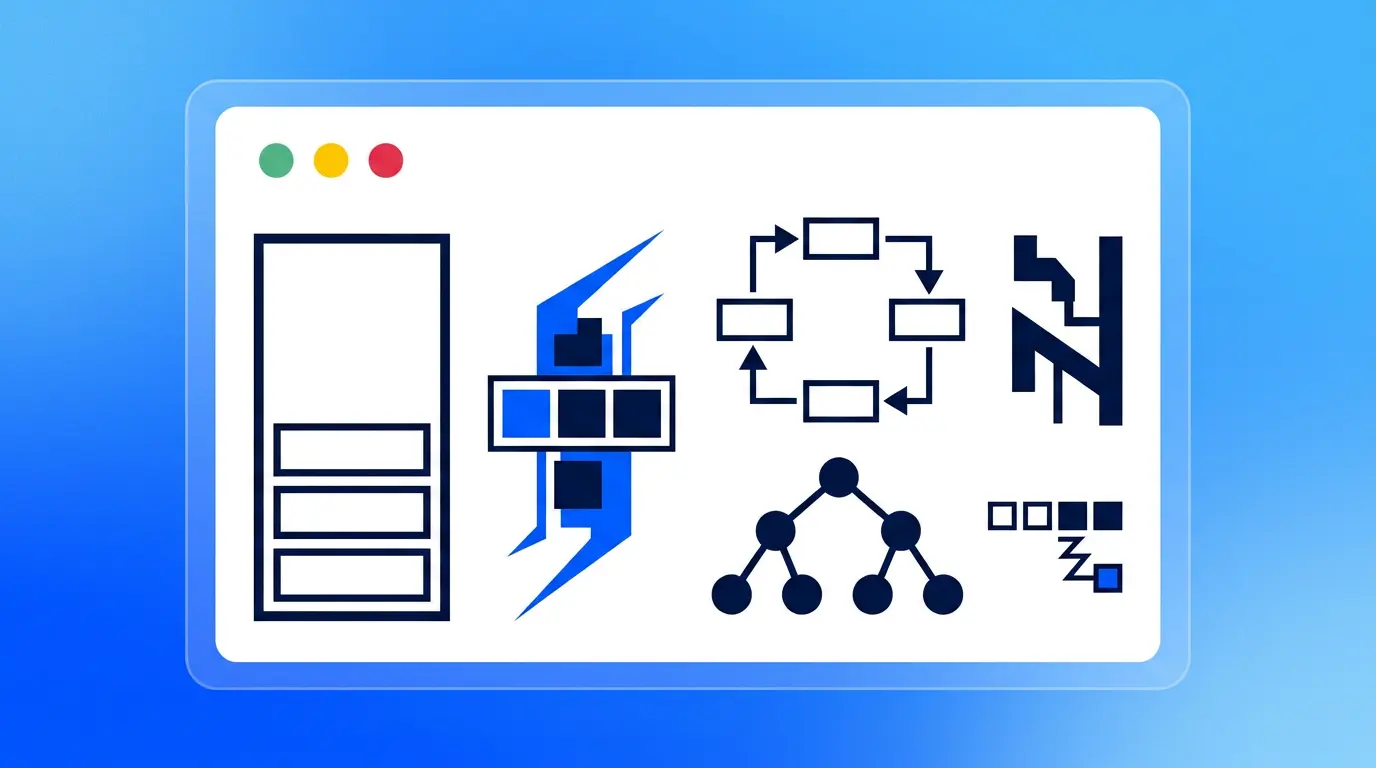
A comprehensive Scaler DSA course covers a wide range of core concepts, each with practical applications and distinct problem-solving techniques. The main types of data structures include:
Arrays and Strings: Fundamental data storage, indexing, and manipulation. Used in almost every program.
Stacks and Queues: Linear structures supporting Last-In-First-Out (LIFO) and First-In-First-Out (FIFO) operations, crucial for undo functionality, browser history, and scheduling tasks.
Linked Lists: Dynamic structures for managing memory efficiently; the backbone of many advanced data structures.
Trees: Hierarchical structures (like binary trees, AVL trees, segment trees) used for search, storage, and organizing hierarchical data.
Graphs: Flexible structures to model networks, relationships, or connections, applied in maps, social networks, and recommendation engines.
Hash Tables/Hash Maps: Enable rapid data lookup, insertion, and deletion; the engine behind dictionaries, caches, and databases.
Heaps/Priority Queues: Special trees optimized for quick retrieval of the highest or lowest value essential for scheduling, load balancing, and simulation engines.
On the algorithms side, the DSA syllabus covers:
Sorting Algorithms: Bubble, Selection, Insertion, Merge, Quick, Heap, and Radix sort each with its own time and space trade-offs.
Searching Algorithms: Linear search, binary search, and more advanced tree/graph searches like BFS and DFS.
Recursion and Backtracking: Breaking problems into smaller sub-problems, especially for puzzles and path-finding.
Dynamic Programming: Solving overlapping subproblems efficiently by storing intermediate results is a must-know for optimizing performance.
Greedy Algorithms: Making the optimal choice at each step, often used in resource allocation and scheduling.
Graph Algorithms: Shortest paths (Dijkstra, Bellman-Ford), minimum spanning trees (Kruskal, Prim), topological sorting, and more.
A well-rounded DSA course helps you master both the theory and practical use cases for these structures and algorithms, empowering you to tackle everything from simple interview questions to complex, real-world challenges.
One of the most popular ways to learn and apply DSA is through Python web development and coding. Python’s clear syntax, extensive standard library, and huge community support make it an excellent choice for mastering DSA, especially for beginners or those transitioning from non-CS backgrounds. In DSA in Python, learners benefit from built-in data structures (lists, dictionaries, sets) and powerful modules (collections, heapq, bisect) that make experimenting with algorithms fast and intuitive.
However, DSA is not tied to any single language. The concepts you learn—such as how to build a binary search tree, implement a stack, or optimize a dynamic programming solution—are transferable to Java, C++, JavaScript, and many other stacks. Some learners start with DSA in Python for its readability, then transition to C++ or Java for performance-critical projects or specific interview requirements. Ultimately, a good DSA course will help you grasp the underlying principles, not just the syntax, so you can ace problems no matter what language you use.
At Scaler, for example, DSA instruction is tailored to help learners choose the language that fits their career goals. Whether you’re solving coding challenges online, working on DSA projects, or preparing for interviews, understanding both language-agnostic concepts and the quirks of your chosen programming language is key.
Mastering data structures and algorithms is a journey best followed with a clear, step-by-step DSA roadmap. Most learners start with the basics: arrays, strings, and simple sorting and searching algorithms. Building a strong foundation here makes it much easier to tackle more complex structures like linked lists, stacks, and queues, which in turn unlocks trees and graphs. As you progress, recursion and backtracking introduces new ways of thinking about problem decomposition and dynamic programming brings powerful techniques for optimization.
A smart DSA roadmap doesn’t just move linearly through topics; it includes lots of practice, regular self-assessment, and real-world project application. Start with basic coding problems, then gradually increase the difficulty tackling medium and hard questions on platforms like LeetCode, HackerRank, or Codeforces. Make sure to revisit weak areas, take mock interviews, and participate in coding contests to build speed and confidence.
Common pitfalls on the DSA journey include rushing through concepts without mastering the “why” behind each data structure, skipping the analysis of time and space complexity, or not practicing enough under interview-like pressure. The best way to overcome these is with a balanced learning plan studying theory, implementing from scratch, and reviewing top DSA interview questions from previous hiring cycles.
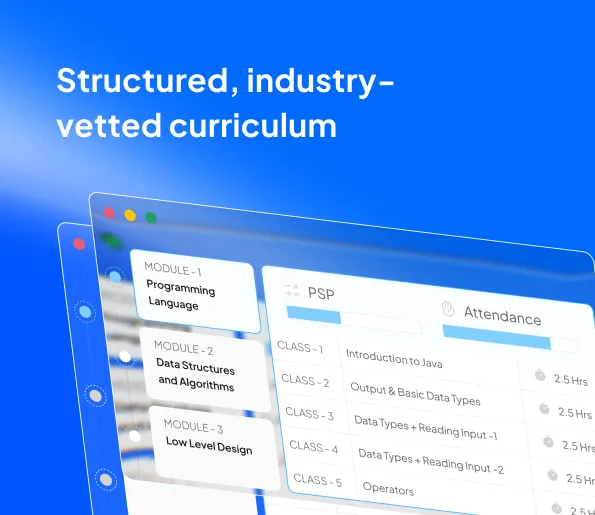
A high-quality DSA course, such as Scaler’s, typically offers a well-defined roadmap: starting with beginner modules, progressing to advanced algorithms, and integrating projects, mock interviews, and regular assessments to ensure mastery at every stage.
A well-designed DSA course is more than just a collection of video lectures or coding assignments; it’s a structured learning journey that systematically builds your understanding of data structures and algorithms from the ground up. The best courses, such as the Scaler DSA course, begin with foundational topics like arrays, strings, and basic algorithmic thinking, ensuring even absolute beginners are comfortable before progressing. As you advance, the syllabus covers linked lists, stacks, queues, trees, and graphs, with each topic reinforced by hands-on coding exercises and problem-solving sessions.
As you progress, the course expands into more advanced topics: recursion, backtracking, searching and sorting algorithms, and dynamic programming. Emphasis is placed on understanding real-world applications, optimizing for time and space complexity, and writing clean, maintainable code. You’ll often get exposure to core DSA in Python techniques, while also seeing sample solutions in other common languages to broaden your technical toolkit.
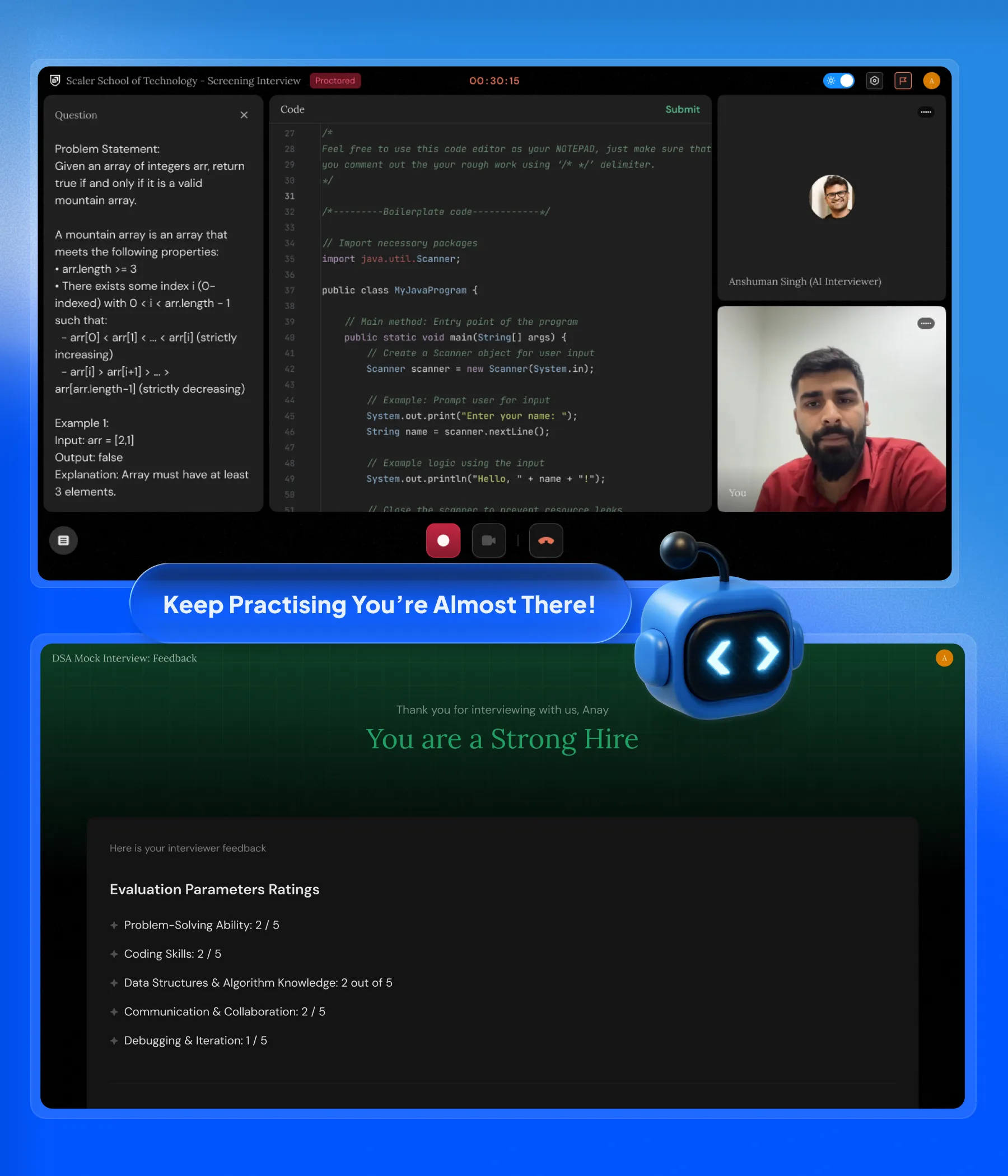
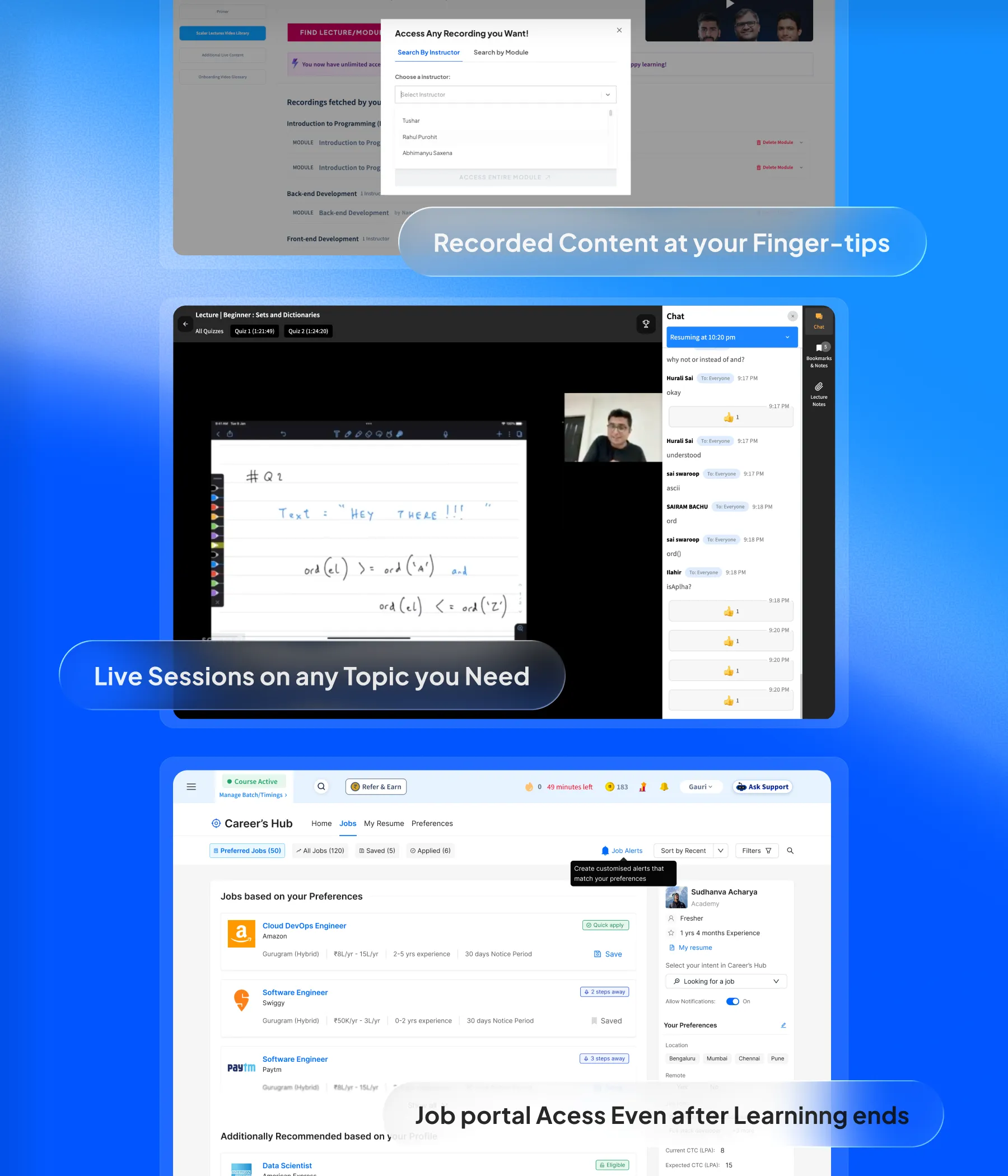
A standout feature of leading DSA courses like those from Scaler is the focus on practical interview preparation and placement support. The curriculum includes regular practice with DSA interview questions, timed contests, mock interviews with industry professionals, and peer discussions. This approach ensures you’re not just passively learning, but actively applying knowledge in the same format as real hiring processes. The best courses also integrate DSA projects and portfolio-building exercises, so you graduate with not just theoretical mastery but real coding confidence.
No discussion of DSA is complete without a look at the DSA interview questions that dominate technical hiring for software engineers, data scientists, and even product managers. These questions are carefully chosen by employers to reveal not just rote memorization, but true problem-solving ability, analytical thinking, and depth of understanding in data structures and algorithms.
Some of the most-asked DSA interview questions include:
Implementing and manipulating data structures (reverse a linked list, check for balanced parentheses using stacks, design a LRU cache)
Optimizing classic algorithms (merge intervals, find the largest/smallest in an array, implement quick sort or heap sort)
Traversing and searching trees and graphs (in-order/pre-order/post-order traversal, depth-first vs. breadth-first search, detect cycles)
Dynamic programming staples (longest increasing subsequence, coin change, knapsack problem, edit distance)
Real-world problem modeling (design a parking lot, elevator system, or autocomplete feature using DSA concepts)
Preparation for these questions involves more than just finding the right answer. You’ll need to discuss your approach, analyze time and space complexity, and explain why you chose a particular data structure. Practicing with platforms like LeetCode, GeeksforGeeks, or company-specific coding tests is invaluable. High-quality DSA courses, including those at Scaler, mirror these real-world interview environments with regular practice contests, interview workshops, and community-driven peer review.
A strong grasp of data structures and algorithms is most valuable when it’s applied to building real, impactful solutions. That’s why the best DSA learners don’t just solve standalone coding problems—they use DSA principles to create impressive projects and demonstrate their abilities through a robust portfolio.